Peas can support several restaurant dishes without becoming the centre of attention. That makes them easy to overlook during purchasing. Yet the wrong specification, an inconsistent portion or an unsuitable batch method can change the appearance and balance of rice, sides and mixed vegetable dishes across an entire service.
For Egyptian hotels, caterers and restaurants, the best buying brief begins with the dish. Decide whether peas are a visible side, a small component in rice or part of a larger vegetable mix. Then compare products against those applications rather than assuming that every bag of peas will perform identically.
Specify the role peas play on the plate
For a separate side, the team may place more emphasis on appearance and texture. In rice, distribution and the ratio to other ingredients become important. A soup or blended preparation creates a different set of priorities again. Write those differences into the trial rather than producing one vague approval for every use.
The menu description should also match the recipe. If the dish is sold as peas and carrots, the relative quantities should be intentional and repeatable. If peas are a garnish, establish what an acceptable portion looks like so that staff do not add an uncontrolled handful during a busy service.
Ask for the current specification
Request the exact product description, pack configuration and preparation information. If size, grade or another characteristic is important, ask whether it is documented for the quoted item. Do not infer a technical specification from a styled photograph or from a different product in the same range.
Confirm the commercial unit. The kitchen may discuss usage in kilograms while the supplier quotes cartons. Record units per case and the total quantity so that purchasing can compare the quotation and plan storage without an avoidable conversion error.
Trial the dish, not just the ingredient
Prepare the peas according to the product information and your approved process. Evaluate them in the actual recipe with the usual seasoning, sauce and service sequence. A tasting of plain peas alone may not reveal whether they suit the finished dish.
Use a measured starting quantity and weigh the acceptable output at a consistent stage. Record any handling that differs between candidates. If the peas are incorporated into rice, evaluate the completed recipe for distribution and portion consistency rather than judging isolated grains and vegetables separately.
| Application | Observation | Record for the recipe |
|---|---|---|
| Separate side | Finished appearance and texture | Standard serving weight |
| Rice dish | Distribution through the batch | Pea-to-rice recipe quantity |
| Mixed vegetables | Balance with other components | Agreed component proportions |
| Blended preparation | Finished flavour and consistency | Recipe-specific input quantity |
Keep batch size connected to demand
Plan how much of the finished dish is needed for the next service period under your operating procedures. A large batch may reduce preparation frequency, but it can also create more unsold output if demand is uncertain. The appropriate balance depends on equipment, service pattern and the approved handling method.
For a hypothetical lunch service expecting 80 portions with 30 grams of peas in each recipe portion, the planned pea component is 2.4 kilograms at the defined recipe stage. Convert that into purchased input using your trial information. Do not assume the calculation already includes every preparation change or loss.
Use cross-utilisation without losing identity
Peas can be shared across several planned dishes, but each dish should have a clear role and flavour profile. Repeating the same side under different menu names does little for the guest. Instead, use the ingredient in distinct applications such as rice, a vegetable accompaniment and an approved blended preparation.
Combine the demand from those recipes when ordering. This gives purchasing a more accurate total than separate requests from each workstation. Review the combined forecast when a special is removed or a banquet is added, because the ingredient’s usage can change even if its core dish remains on the menu.
Build a simple quality record
Keep the approved product description, trial notes and portion standard together. If a delivery or recipe result differs from the usual standard, record the exact product and batch conditions before drawing a conclusion. Variation can come from the preparation process as well as the supplied ingredient.
Give the supplier specific feedback where needed. A clear description of the application and observed issue supports a more useful conversation than a general complaint about quality. Do not switch specifications without asking the chef to assess the replacement in the dish.
Questions about buying peas
Should we buy peas separately or in a mix?
Separate peas give control over component proportions. A prepared mix may simplify picking and weighing if its composition suits the recipe. Compare both options in the actual dish and include the extra handling in the decision.
Can one product serve every application?
Possibly, but approve the uses through testing. An item accepted for a blended recipe may not meet the presentation standard for a visible plated side.
What should go into our enquiry?
Include intended dishes, estimated quantities, delivery location and the specification questions that matter to your chef. Ask for current pack information rather than assuming a standard format.
Build your pea purchasing brief
Review Eden Gardens green peas and peas and carrots in the Athenas range. Request current wholesale details with your planned applications and quantities, then use a controlled kitchen trial to select the appropriate product.
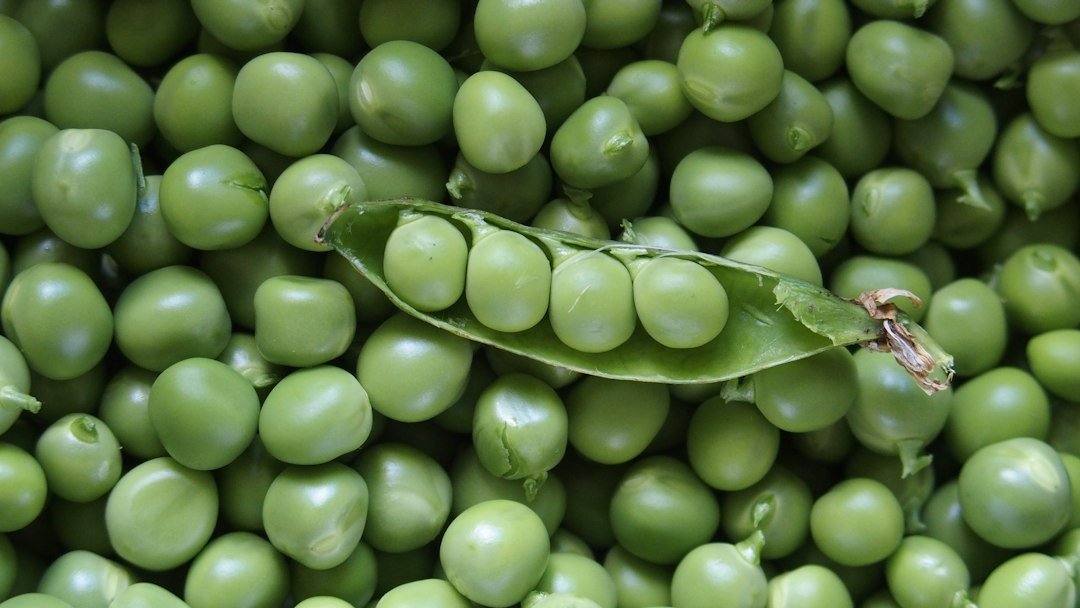
Cover stock photograph: Jean-Michel GARCIA / Unsplash. Photography illustrates ingredients and serving ideas; it does not depict Athenas products or facilities.
From an idea to an enquiry
Put your reading on the menu.
Explore the range, save the products you would like to discuss and tell us what your business needs.
Prepare your enquiry