A mango drink and a mango dessert can use the same broad ingredient while demanding different product characteristics. One recipe may prioritise a consistent blended result; another may require a visible fruit presentation. Purchasing should reflect those applications instead of assuming that every mango product can serve both equally well.
For cafés and hotel kitchens in Egypt, a clear specification helps connect the menu idea to the product actually available. Confirm the supplied form, ingredients where applicable, intended use and preparation instructions. Frozen fruit should not automatically be assumed ready to eat or suitable for uncooked use; verify the product information and follow your approved food-safety process.
Separate the applications on the menu
List the drinks, desserts or other recipes that will use mango. Record whether the fruit remains visible, is blended or becomes part of a cooked preparation. These distinctions affect the questions you ask the supplier and the criteria used in a trial.
Choose the application with the largest expected demand as the main purchasing reference, while checking the other uses separately. A product approved for one recipe should not become a blanket approval for every mango item the café might develop later.
Confirm form and preparation requirements
Ask the supplier for the current product specification and pack configuration. If the recipe requires pieces, a particular presentation or another form, confirm that the quoted item provides it. Do not infer the form solely from a product name or a serving image.
Clarify intended use and any required preparation before developing an uncooked drink or dessert. Keep the information with the recipe record so that staff do not treat a convenient ingredient as automatically ready to use in every context.
Trial the complete drink or dessert
Use the actual recipe, equipment and serving size. For a drink, evaluate the balance of fruit, liquid and any other ingredients after the approved preparation process. For a dessert, assess the complete item, including its texture and presentation at service.
Record exact quantities rather than adjusting by eye until one attractive sample appears. Development can involve changes, but the final approved recipe needs a repeatable formula. Otherwise, the café cannot reliably cost the product or reproduce the result across shifts.
| Decision | Drink application | Dessert application |
|---|---|---|
| Product suitability | Confirm intended use and preparation | Confirm intended use and preparation |
| Recipe quantity | Fruit per defined serving | Fruit per portion or batch |
| Quality check | Complete drink balance | Finished texture and presentation |
| Equipment | Approved blending or preparation process | Relevant production process |
| Cost basis | Complete serving including packaging | Complete dessert including garnish |
Calculate fruit demand from actual recipes
Multiply the approved fruit quantity by expected servings for each menu item, then combine the demand. Keep the measurement stage clear and use any required purchasing conversion from the trial. Do not count a fruit quantity measured after preparation as though it were automatically the purchased input.
For a hypothetical drink using 120 grams of mango at the defined recipe stage, 50 servings require 6 kilograms at that stage. Other recipes, preparation changes and pack rounding must be added separately. The example is a calculation method, not a recommended recipe or product yield.
Cost more than the fruit
Include liquids, other ingredients, garnish and serving packaging where applicable. A mango drink’s apparent fruit cost may be only part of the complete variable cost. Keep the costing boundary consistent when comparing menu options.
If staff adjust sweetness or texture informally during service, investigate why. The recipe may need refinement, the supplied specification may differ, or portioning may be inconsistent. Document the cause before treating every variation as an unavoidable feature of fruit purchasing.
Plan a sensible launch quantity
A new menu item has uncertain demand. Begin with an order that supports the trial and a realistic initial service period, subject to the supplier’s confirmed formats and terms. Avoid buying for an ambitious sales forecast before the café has evidence of customer interest.
Review sales by service period and channel. A drink popular in the afternoon may not sell at the same rate during breakfast or delivery. Use the pattern to adjust purchasing and preparation, rather than ordering from one daily average that hides those differences.
Keep visual promises accurate
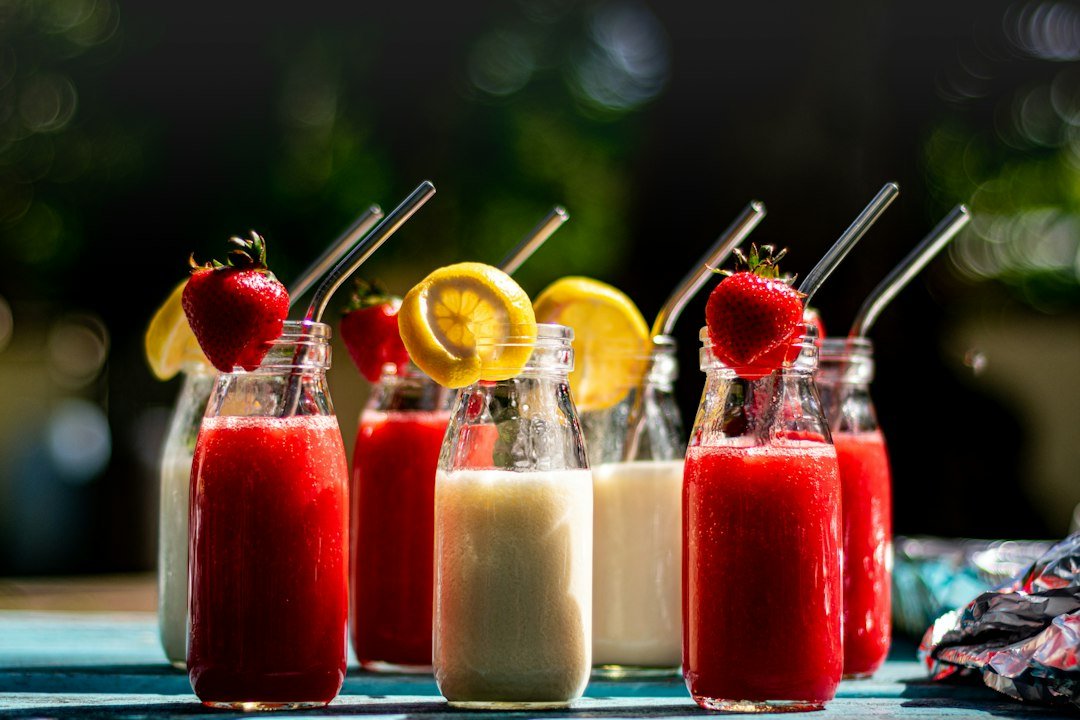
Use a menu image that represents the actual serving and clearly distinguish illustrative editorial imagery from a product specification. Do not imply that a supplier guarantees the appearance of a finished recipe it has not tested or approved.
When the cup, portion or recipe changes, update the relevant image and cost sheet. A larger-looking serving can attract interest, but it also changes the ingredient requirement. The purchasing forecast should move with the product the customer actually receives.
Questions café buyers ask
Can any frozen mango be used directly in a smoothie?
Do not assume that. Confirm the product’s intended use and preparation requirements and follow the café’s approved food-safety process.
Should drinks and desserts share one mango specification?
Only if the product is suitable for both and both recipes have been tested. Different presentation needs may justify separate decisions.
What should we include in the enquiry?
Describe the intended applications, estimated volumes, destination and timing. Ask for the current form, pack, ingredients where relevant and preparation information.
Build your mango product brief
Review Eden Gardens mango and the Athenas Foods catalogue. Request current wholesale and specification details before approving the product for your café menu.
Cover stock photograph: Jyoti Singh / Unsplash. Photography illustrates ingredients and serving ideas; it does not depict Athenas products or facilities.
From an idea to an enquiry
Put your reading on the menu.
Explore the range, save the products you would like to discuss and tell us what your business needs.
Prepare your enquiry