Cherry and apricot can help a pastry team develop desserts with distinct flavour and visual identities. They should not be treated as interchangeable fruit additions, however. The recipe, supplied form and preparation process determine how each product fits the menu.
For hotels, cafés and caterers, a useful buying brief begins with the dessert concept and the intended service volume. Confirm the current product specifications before assuming details such as presentation, preparation or suitability for uncooked use. Follow product instructions and your approved food-safety process throughout development.
Give each fruit a specific menu role
Decide whether the fruit is a visible component, a sauce, a filling or another part of the recipe. Cherry may support one flavour direction while apricot supports another, but the final decision should come from the complete dessert trial rather than a general expectation based on the fruit name.
Avoid launching several similar desserts merely to use two ingredients. A focused range with clear differences is easier to explain, prepare and forecast. The pastry team should be able to describe why each item belongs on the menu.
Confirm the exact product form
Ask for the current specification, pack configuration, ingredient information where relevant and preparation directions. If the recipe depends on a particular form or preparation characteristic, state it explicitly. Do not assume details such as pitting, cutting or readiness for a given use from the catalogue title alone.
Keep the supplier’s response with the recipe approval record. If the product changes, the team can identify which parts of the dessert trial need repeating. This is more reliable than treating every item named cherry or apricot as equivalent.
Test the complete dessert system
Prepare the fruit appropriately and combine it with the actual pastry, cream, sauce or other components. Record ingredient quantities and the final portion. Assess the dessert at the intended service point and in the actual container or plate.
If developing a filling or sauce, evaluate the finished recipe consistency rather than judging the fruit alone. Record any adjustments made during development so that the final result can be repeated without relying on one chef’s memory.
| Decision | Cherry concept | Apricot concept |
|---|---|---|
| Menu identity | Define a distinct dessert | Define a distinct dessert |
| Required product form | Confirm current specification | Confirm current specification |
| Preparation route | Follow approved product process | Follow approved product process |
| Portion and yield | Measure the finished recipe | Measure the finished recipe |
| Commercial fit | Confirm packs and demand | Confirm packs and demand |
Compare demand before committing to stock
A new dessert has uncertain sales until the operation observes customer behaviour. Begin with a realistic trial and launch forecast, subject to the supplier’s confirmed commercial terms. Do not assume that two fruit options will divide demand evenly.
For an event menu, use the confirmed dessert allocation rather than the total guest count if guests have a choice. Keep the assumption visible and revise it when selections are confirmed. Purchasing should follow the actual service arrangement.
Cost each recipe independently
Include fruit, other ingredients, garnish and packaging where applicable. Use the correct purchasing conversion for the fruit at the defined recipe stage. Compare complete desserts on the same basis rather than comparing only the fruit line while ignoring different accompanying ingredients.
Keep development losses separate from normal production assumptions. Early recipe trials may involve experimentation that should not automatically become the recurring cost factor. Once the recipe is stable, run a representative batch to establish a usable standard.
Plan shared ingredients with care
The two desserts may share some components, which can simplify preparation. That benefit should be measured against the need for a distinct guest experience. If both items require separate fruit processes, the kitchen still needs to plan those workloads explicitly.
Combine demand only for genuinely shared ingredients. Keep cherry and apricot stock forecasts separate so that a popular dessert does not hide slow movement in the other. Review each product’s actual use after the first service cycle.
Create a launch and review record
Document the approved recipes, reference presentations, purchasing descriptions and initial quantity assumptions. Assign a review point after enough normal service evidence is available. Track sales, preparation effort, portion consistency and remaining stock.
If one concept performs poorly, identify whether the problem is menu appeal, price, production complexity or product suitability. Buying more of the ingredient will not solve a weak concept, and changing the fruit may not solve a confusing menu description. Use the evidence to choose the next adjustment.
Questions pastry buyers ask
Can the same preparation method be used for both fruits?
Do not assume so. Follow each product’s information and approve the recipe process separately.
Should we buy both before testing the menu?
Keep early quantities proportionate to development and realistic demand. Confirm the supplier’s current formats and terms before committing to a larger order.
What should the enquiry include?
Describe the dessert applications, required forms, estimated quantities, delivery location and timing. Ask for current specifications and preparation information for each item.
Discuss the products behind your dessert concepts
Review Eden Gardens cherry and apricot. Request current wholesale details from Athenas Foods and validate the selected products in your own pastry recipes.
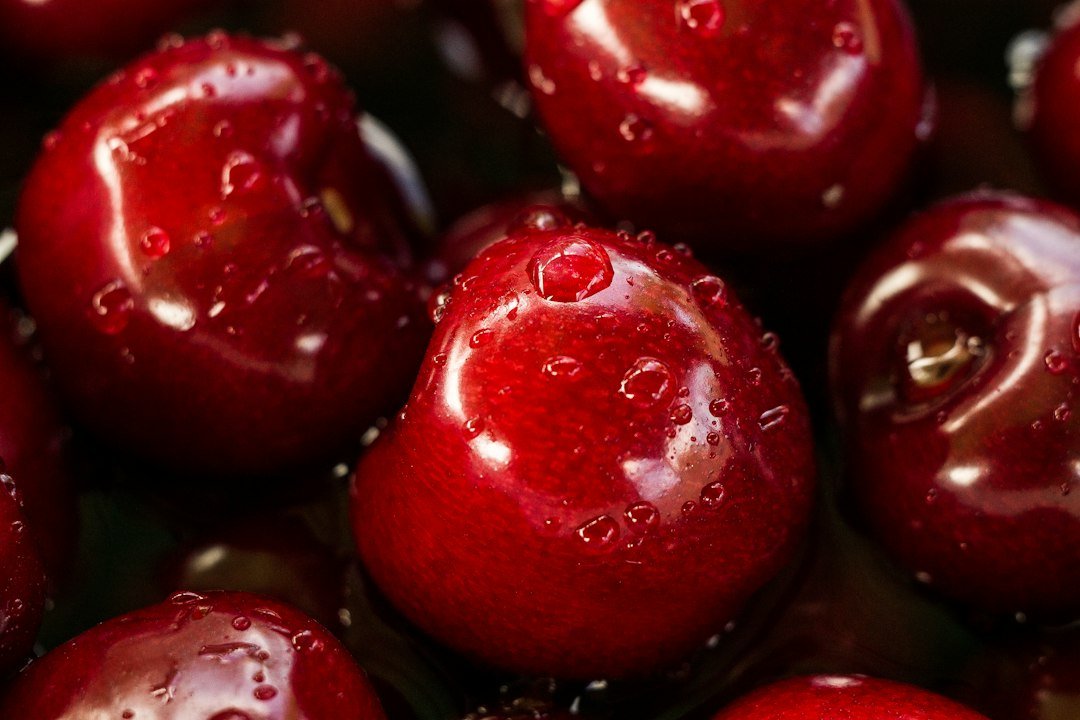
Cover stock photograph: Roksolana Zasiadko / Unsplash. Photography illustrates ingredients and serving ideas; it does not depict Athenas products or facilities.
From an idea to an enquiry
Put your reading on the menu.
Explore the range, save the products you would like to discuss and tell us what your business needs.
Prepare your enquiry