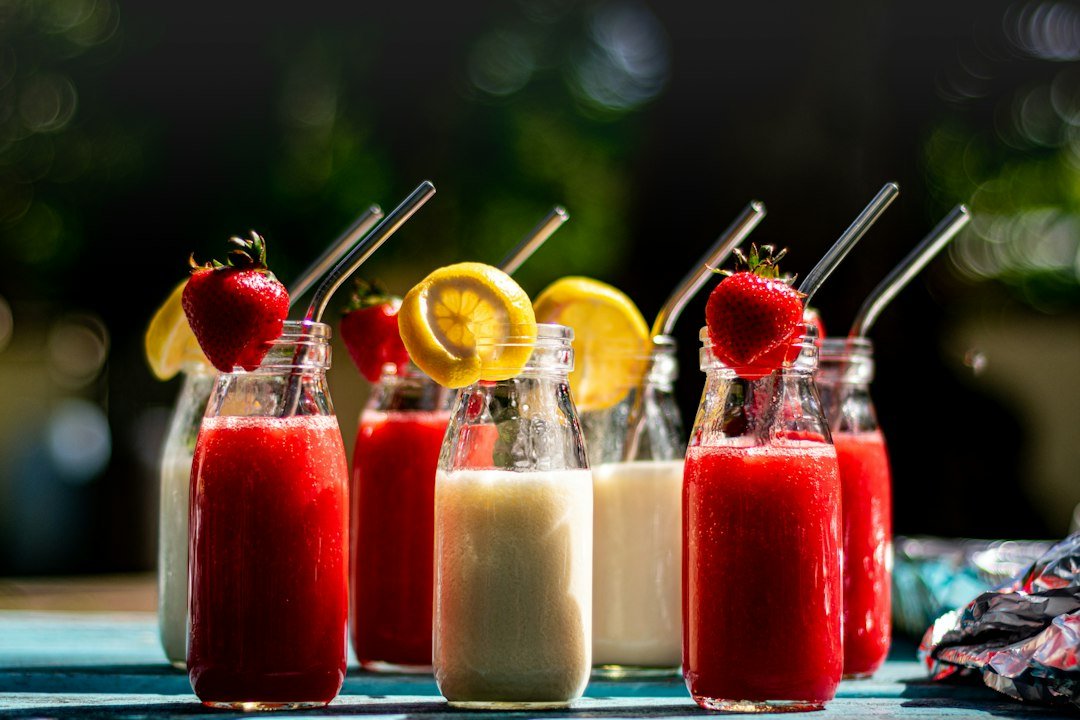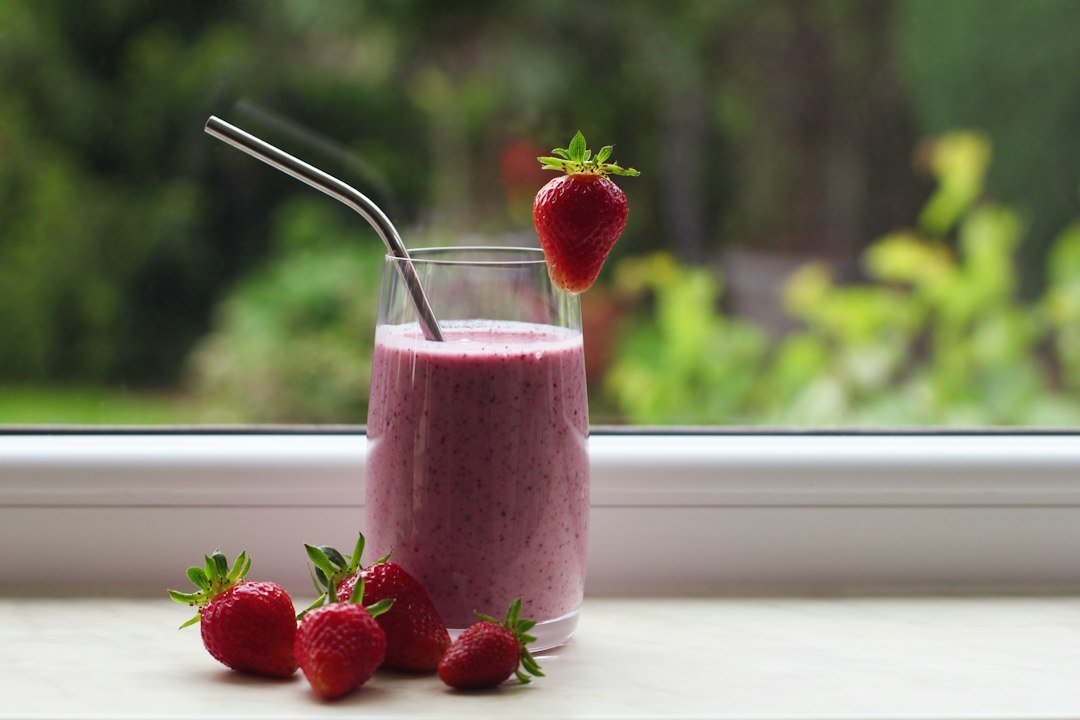
A smoothie can look profitable when the calculation includes only fruit and milk or another base. The actual serving may also contain additional ingredients, garnish, a cup, lid and other packaging. Informal recipe adjustments can widen the gap between the cost sheet and what staff prepare.
A useful cost-per-cup worksheet begins with a repeatable recipe and a clear serving size. It then connects purchased inputs to accepted finished output. Before developing a recipe with frozen fruit, confirm intended use and preparation requirements; do not assume every frozen product can be used directly without the process specified by its supplier and your food-safety system.
Standardise the serving before costing
Choose the actual cup and define the finished serving. Record the recipe quantities that produce that result with the equipment and approved method used by the café. A nominal cup size is not automatically the volume of every component that goes into the recipe.
Include the finishing details: garnish, additional sauce or any other component offered as standard. If extras are optional, cost them separately and make sure staff understand which recipe applies to the base order.
List every variable component
Create one line for each ingredient and packaging item. Record the purchased unit, usable quantity and amount used per serving. Keep the units consistent so that grams, kilograms, millilitres and pack counts are not mixed accidentally.
If preparation changes the usable fruit quantity, use the measured conversion at the appropriate recipe stage. Do not divide a purchase price by an assumed yield that has never been checked. The calculation should describe the product and process the café actually uses.
Work through an illustrative cup
Imagine a hypothetical drink with EGP 18 of fruit, EGP 7 of other ingredients and EGP 4 of cup-and-lid cost. Its listed variable components total EGP 29 before any other costs included by the business. These numbers are an arithmetic example, not current market prices or a suggested selling price.
If staff add an unrecorded ingredient costing EGP 3 per serving, the worksheet understates the actual recipe by that amount. Across 100 drinks, the difference is EGP 300. The solution begins with recipe accuracy, not necessarily a new supplier negotiation.
| Component | Quantity basis | Cost entry |
|---|---|---|
| Fruit | Measured recipe input | Cost from current purchase unit |
| Liquid and other ingredients | Approved recipe quantities | Separate line for each item |
| Garnish or standard topping | Defined serving quantity | Include even when small |
| Cup and lid | One approved serving set | Current packaging cost |
| Other attributable components | Consistent business policy | Keep scope explicit |
Test batch output and equipment fit
Run the recipe in the equipment used during service. Measure acceptable finished output and the number of complete servings produced. If a batch leaves a remainder, record how it is treated under the café’s approved procedures and costing method.
Check whether staff change the recipe when preparing multiple drinks together. A larger batch should not silently introduce different ingredient ratios. If the scaled recipe needs adjustment, approve and document it separately.
Distinguish recipe cost from selling-price decisions
Ingredient and packaging cost is one input to pricing, not the whole business model. Labour, occupancy, other operating costs, channel fees where applicable and the value proposition also matter. Use your business’s own financial method rather than copying a universal food-cost percentage from a blog.
Compare alternatives on the same basis. A delivery drink with additional packaging should not be assessed against a dine-in drink with those costs omitted. Keep channel-specific details visible so that a popular item does not conceal an uneconomic fulfilment arrangement.
Measure actual use against sales
Estimate theoretical ingredient use from the approved recipe and recorded sales, then compare it with stock movement. Investigate differences by category: recipe variation, spills, development batches, staff drinks, unrecorded sales or counting errors. The purpose is to understand the process, not to assume misconduct.
Review the highest-cost or highest-volume ingredients first. A focused check on fruit portions and cup use may reveal more than a complicated workbook nobody updates. Keep the method practical enough to repeat.
Update when the product changes
Recalculate when purchase prices, pack formats, recipe quantities or serving containers change. If a fruit specification changes, repeat the relevant recipe trial rather than assuming the previous output remains valid. Keep a dated version of the cost sheet for comparison.
Use the review to improve the menu. A drink that sells well but creates preparation delays may need a simpler recipe or a different service arrangement. A low ingredient cost alone does not establish that the item is operationally successful.
Questions café managers ask
Should ice or small garnishes be included?
Define a consistent costing scope and include material components. Small purchased extras should not disappear simply because each serving uses little.
Can one recipe cover all cup sizes?
Only with a validated scaling method and clear quantities for each size. Staff should not estimate the ratios during service.
What should fruit purchasing request?
Ask for current product form, intended-use information, pack configuration, price and availability for your destination.
Connect the worksheet to your supplier enquiry
Review mango and strawberry in the Athenas range. Request current wholesale details and use the confirmed products in your measured recipe and cost-per-cup calculation.
Cover stock photograph: Denis / Unsplash. Photography illustrates ingredients and serving ideas; it does not depict Athenas products or facilities.
From an idea to an enquiry
Put your reading on the menu.
Explore the range, save the products you would like to discuss and tell us what your business needs.
Prepare your enquiry