A cloud kitchen’s product is the meal that reaches the customer, not the plate that looks good at the pass. Purchasing therefore needs to support the complete delivery process: the ingredient, preparation, portion, packaging and handover. A supplier decision made only on unit price can overlook the point where the customer actually experiences the food.
For delivery-led kitchens, the strongest buying brief begins with a tested menu and a clear operating model. Use the same product identity across recipes and stock records, then evaluate whether the ingredient performs in the actual packed order.
Map demand by menu item and channel
List the dishes sold and their approved ingredient quantities. If several virtual brands share a kitchen, identify which recipes genuinely share the same product specification. Similar names across menus should not hide different portion sizes or preparation requirements.
Use actual order patterns where available. Separate peak periods, ordinary demand and promotional assumptions. A campaign forecast should not silently become a permanent stock level after the promotion ends.
Test the complete packed meal
Use the exact serving container and normal assembly sequence. Assess the order through a representative delivery scenario while following approved food-safety controls. An ingredient approved for immediate dine-in consumption may need a separate quality trial for delivery.
Record the variables that affect the result: product, preparation method, portion, packaging and order timing. Change one major factor at a time when comparing alternatives so that an improvement can be linked to a decision rather than guessed at afterwards.
Standardise shared ingredients carefully
Shared purchasing can reduce stock complexity, but only if the recipes truly accept the same specification. A fry product suitable for one menu item may not be ideal under a heavy topping or beside a different meal component. Approve the applications explicitly.
Keep a product register linking each ingredient to its menu uses and portion standards. This prevents a buyer from replacing an item across several brands without understanding the different customer promises involved.
| Requirement | What to define | Evidence |
|---|---|---|
| Menu fit | Approved applications and portions | Complete recipe trials |
| Delivery fit | Packaging and representative journey | Handover assessment |
| Production capacity | Equipment and station workload | Peak-order simulation |
| Stock fit | Combined demand across menus | Recipe-based forecast |
| Supply fit | Packs, availability and destination | Current supplier confirmation |
Find the production bottleneck
Run a representative sequence of mixed orders. Watch whether frying, blending, finishing or packing becomes the limiting step. A product that looks convenient in isolation may add work at the busiest station and delay the whole order.
Use the observations to refine the menu or workflow. Reducing one complicated garnish or changing an assembly step may improve throughput more than adding another stock line. Keep any process changes within approved preparation and handling procedures.
Cost by the actual fulfilment route
Include the complete recipe and relevant packaging. Apply the business’s own method for other channel-specific costs rather than using an arbitrary universal margin target. A dish can have a low ingredient cost and still be unattractive commercially once its full delivery arrangement is considered.
Separate portion variance from channel costs. If operators overfill boxes, the recipe needs better control. If packaging is expensive, evaluate suitable alternatives through a quality trial. These are different decisions and should not be hidden in one broad food-cost figure.
Plan freezer stock from combined recipes
Combine demand for genuinely shared products across all menus, then deduct existing usable stock and confirmed receipts. Check the supplier’s actual case configuration before rounding the order. Keep any planning allowance visible and avoid adding separate buffers at several levels of the forecast.
Review slow-moving products regularly. A virtual menu can be changed quickly online, but its ingredients remain in the kitchen. Remove recurring orders when the corresponding dishes are paused or discontinued.
Establish a shortage protocol
Define who can approve a product alternative, modify a dish or pause an item. A last-minute substitute can affect preparation, product information and the delivery experience. The order system and kitchen should reflect the same decision.
Where a backup product is important, trial it in advance and confirm current supply arrangements. An approved alternative is useful only if the team knows how to use it and can actually obtain it when needed.
Review customer feedback with operating data
Look for patterns rather than reacting to isolated comments. Compare feedback with order timing, menu item, packaging and preparation records where available. A delivery-quality complaint may arise after a pickup delay rather than from the ingredient itself.
Use the findings to revise the relevant part of the process and then retest. Keep the approved product and service standard current so the kitchen does not accumulate informal workarounds that differ between shifts.
Questions delivery-kitchen buyers ask
Can one ingredient serve several virtual brands?
Yes, where the exact specification is approved for each recipe. Shared purchasing should not erase meaningful differences in menu requirements.
Should the cheapest quote win if delivery costs are high?
Compare cost per acceptable complete order and the product’s service fit. A low input price that harms the customer experience may not be a useful saving.
What should the supplier receive?
Send exact products, expected combined quantities, destination and timing, plus any preparation or specification questions linked to delivery performance.
Build a delivery-focused shortlist
Review Pommes Frites French Fries, mixed vegetables and the Athenas Foods catalogue. Request current wholesale information and validate the products in your complete delivery orders.
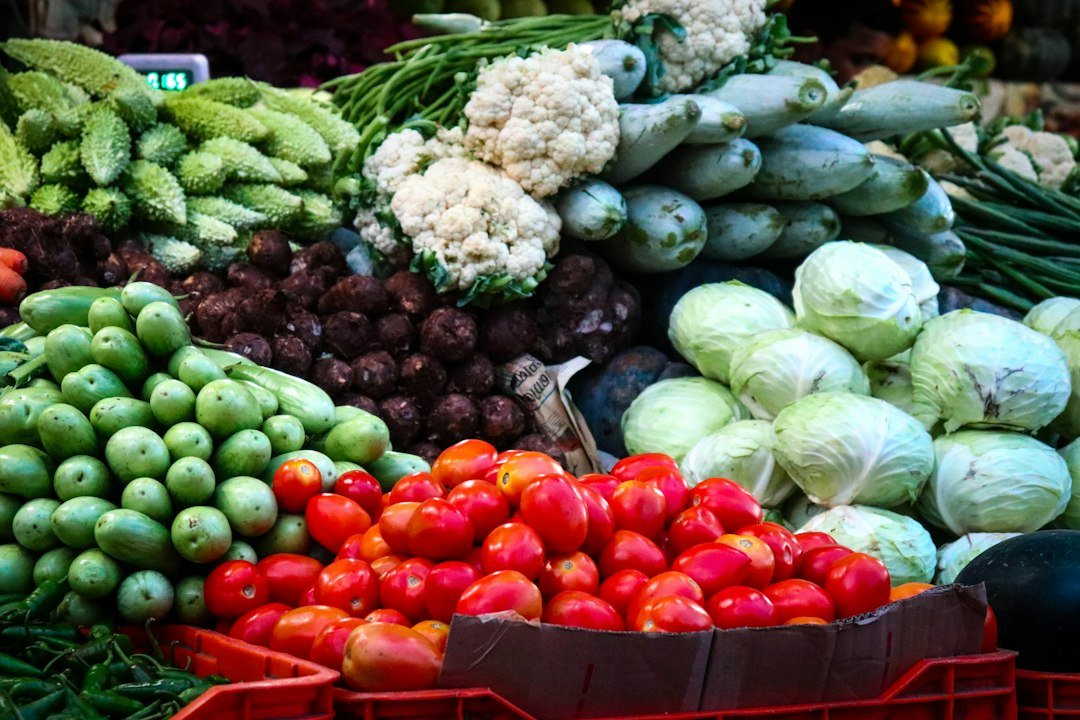
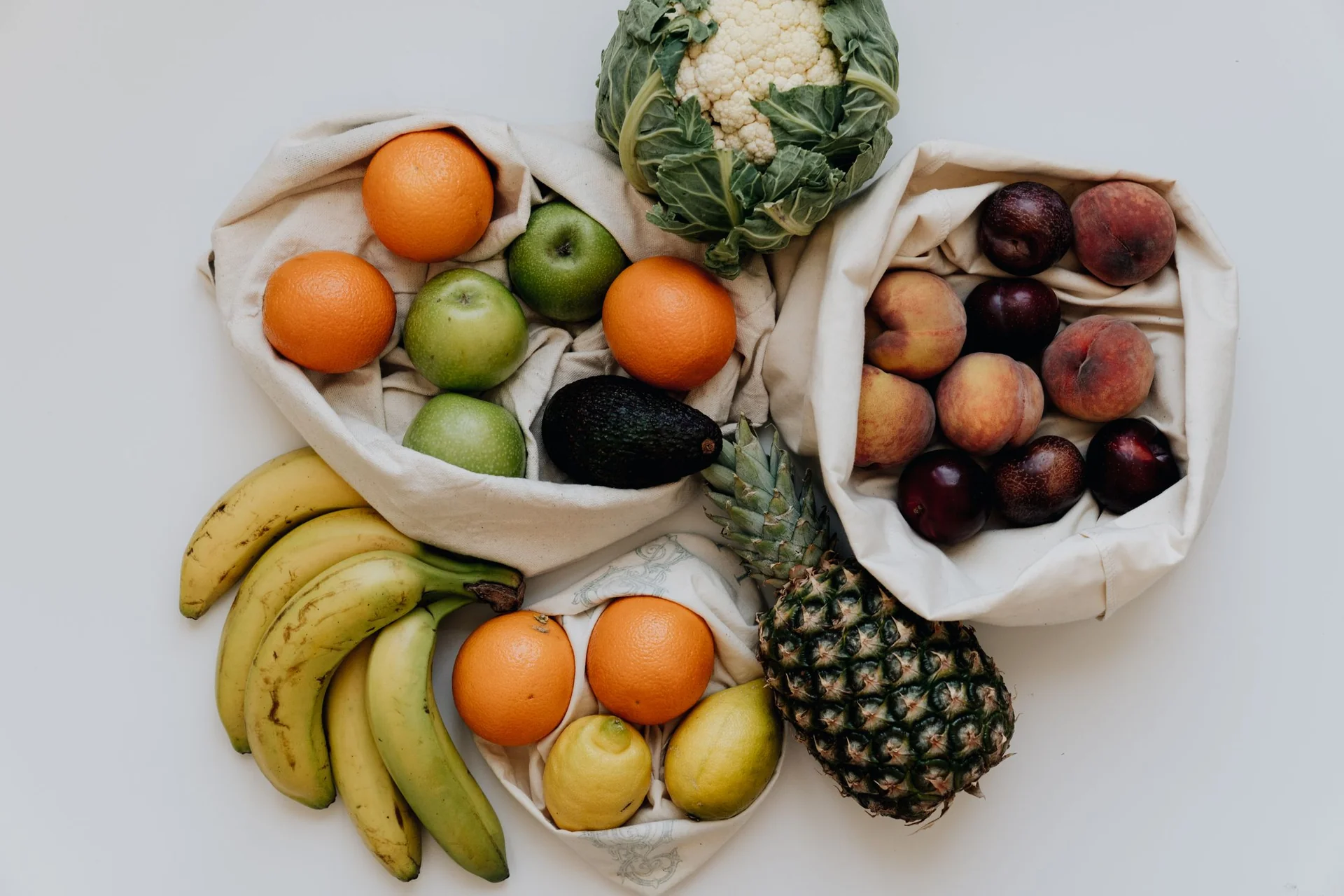
Cover stock photograph: Rohan G / Unsplash. Photography illustrates ingredients and serving ideas; it does not depict Athenas products or facilities.
From an idea to an enquiry
Put your reading on the menu.
Explore the range, save the products you would like to discuss and tell us what your business needs.
Prepare your enquiry