A side dish can sell well and still create an operating problem. It may require disproportionate preparation, occupy a constrained workstation or vary widely in portion size. Another side may look modest on the sales report while supporting a reliable, easy-to-serve meal combination.
Menu engineering is most useful when it connects customer demand, financial contribution and production reality. This guide provides an internal decision framework rather than a universal pricing rule. Use your own costs, sales data and business method to decide which dishes to retain, improve or remove.
Define comparable menu items
Separate included accompaniments from optional paid sides and sharing portions. Their sales and cost roles differ. A side included with every main course should not be ranked as though customers choose and pay for it independently.
Use a consistent review period and note promotions, temporary stockouts or menu changes. These conditions can distort apparent popularity. A dish unavailable for several services cannot be judged fairly against one offered throughout the period without acknowledging the difference.
Calculate the actual variable recipe cost
Use approved portions, current purchase information and measured preparation output. Include sauce, garnish and packaging where applicable. A dish’s headline ingredient may account for only part of its variable cost.
Keep the financial scope explicit. If the worksheet excludes labour or channel-related costs, say so and evaluate those separately. Contribution calculated within one scope should not be compared with a figure from another scope as though they mean the same thing.
Compare contribution in currency as well as percentage
A percentage can be useful, but it does not show the absolute amount contributed by a sale. Within your defined model, compare selling revenue and included variable costs in currency, then consider volume. Use the business’s accounting treatment consistently.
For a simplified hypothetical example, one side sells for EGP 60 with EGP 20 of included variable costs, while another sells for EGP 45 with EGP 10 of those costs. Their simplified contributions are EGP 40 and EGP 35. This example excludes other business costs and is not a pricing recommendation.
| Measure | Evidence | Decision it informs |
|---|---|---|
| Demand | Comparable sales or serving counts | Customer relevance |
| Recipe cost | Current complete variable components | Financial contribution |
| Portion consistency | Measured service checks | Reliability of the cost estimate |
| Workload | Preparation and station observations | Operational fit |
| Menu role | Included, optional or shared | Fair comparison group |
Add the kitchen workload
Observe preparation, equipment use and assembly during normal and busy service. Identify whether the side creates a bottleneck or uses capacity that could support other important dishes. A simple recipe may still be operationally demanding if it needs attention at the busiest moment.
Record the work without inventing a precise labour cost unless your business has a suitable method. Qualitative evidence can still guide a trial: for example, simplify a garnish or change a portioning tool, then measure whether the process improves.
Investigate before removing a dish
Low sales may reflect weak menu communication, poor placement, inconsistent availability or limited customer interest. Identify the likely cause and choose a focused test. Changing several variables at once makes it hard to know what helped.
Likewise, a high-cost item may need a portion review or a better purchasing specification rather than immediate removal. Protect the guest experience while examining the complete process. Cutting the visible portion without checking the plate can damage perceived value.
Test a specific improvement
Choose one change with a clear hypothesis. Examples include an approved recipe adjustment, a different serving container, a product trial or clearer menu wording. Record the expected benefit and what evidence would support retaining the change.
Keep claims accurate. Do not use unsupported health, origin or quality statements to make a side sound more attractive. Describe the actual dish and the value it offers rather than relying on exaggerated labels.
Review the purchasing consequences
If the menu changes, update ingredient forecasts and standing orders. Removing a side may leave a product with no remaining planned use, while promoting another can increase demand at several workstations. The buyer needs the new recipe and sales assumptions.
Where ingredients are shared, combine the revised requirements across dishes. Avoid judging a product as slow-moving based on one menu item when it also supports another approved recipe. The stock view and menu view should agree.
Keep the decision record concise
For each reviewed side, record the evidence, proposed action, owner and review date. The objective is a manageable improvement cycle, not a large classification exercise with no follow-through. Retain the previous cost and recipe versions so changes can be explained.
Repeat the review when material conditions change: product price, portion, service channel or menu role. Do not assume a decision remains correct indefinitely because the dish has always been on the menu.
Questions operators ask
Should we keep only the highest-margin sides?
Consider demand, absolute contribution within your model, menu role and workload together. A single percentage is not a complete decision.
Can purchasing solve a weak dish?
A better product fit may help, but menu appeal, portioning and service also matter. Diagnose the cause before changing suppliers.
What should a product trial request include?
Explain the dish, current requirement, expected volume and the specific performance question you want to resolve.
Compare ingredients against the dish’s role
Explore broccoli, Pommes Frites and the Athenas Foods range. Request current specifications and quotation details for a controlled trial that supports your menu decision.
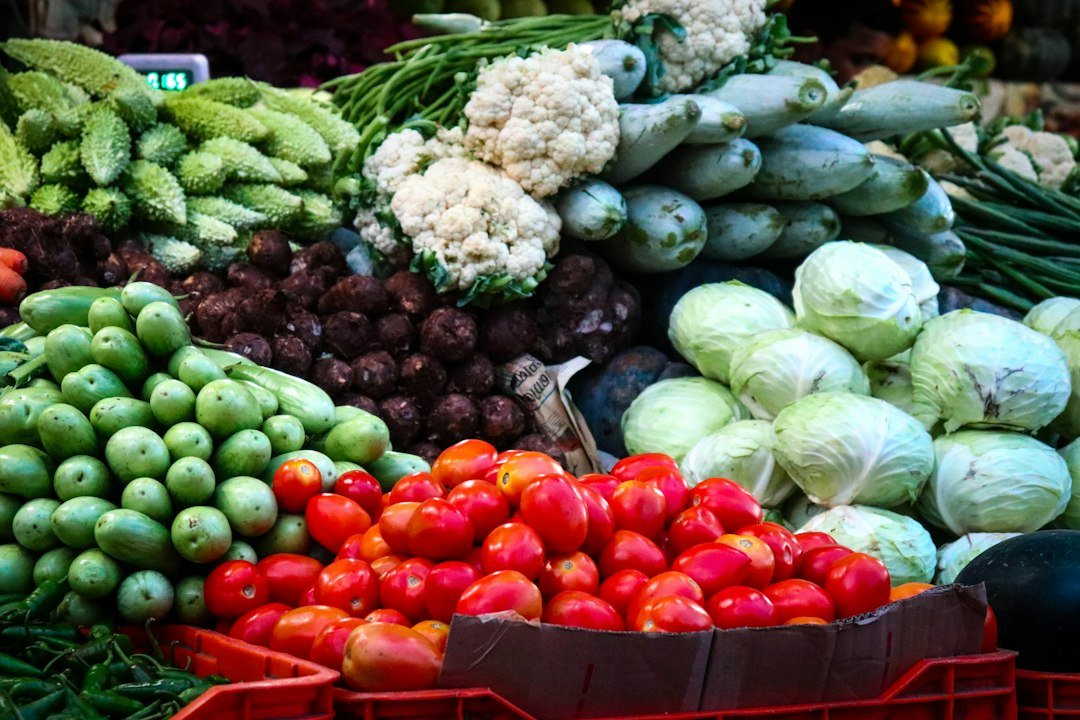
Cover stock photograph: Johnathan Macedo / Unsplash. Photography illustrates ingredients and serving ideas; it does not depict Athenas products or facilities.
From an idea to an enquiry
Put your reading on the menu.
Explore the range, save the products you would like to discuss and tell us what your business needs.
Prepare your enquiry