A banquet purchase order should be the result of a menu calculation, not a guess based on the previous event. Guest count, portion design, product output and case configuration all influence the quantity required. When one of those inputs changes, purchasing needs to see the effect before the delivery is confirmed.
This guide provides a practical method for hotel and catering teams planning vegetable components. It works best when the chef, event coordinator and buyer share a single current brief and distinguish confirmed requirements from assumptions still awaiting the client’s decision.
Lock the menu and portion basis
Identify each vegetable component and its role on the plate. Use a reference presentation and a defined finished quantity. If the meal offers choices, record the expected allocation rather than assuming every guest receives every option.
Clarify whether the guest count includes staff meals, children, special allocations or other categories relevant to the event. Keep those quantities separate so that changes can be made accurately. A single inflated total makes later reconciliation difficult.
Use measured purchasing conversions
Translate the finished portion requirement into purchased input using a representative kitchen trial. Record the product specification and preparation method behind the conversion. A generic yield percentage borrowed from another ingredient or process can produce an unreliable order.
For a hypothetical event serving 180 plates with 90 grams of an approved vegetable component, the finished requirement is 16.2 kilograms. The purchased quantity depends on your measured output and the supplier’s pack arrangement. Keep any additional planning allowance separate and explain its purpose.
Round to confirmed commercial units
Ask the supplier for current pack and carton details. Convert the calculated requirement into whole purchasing units and show the rounding surplus explicitly. This helps the kitchen plan the remaining stock without assuming it was required for the event itself.
If several products round up substantially, review the overall order and storage plan. Small surpluses across many components can become a meaningful inventory commitment. Do not remove necessary quantities arbitrarily; examine whether the menu or available formats provide a better fit.
| Input | Record | Owner |
|---|---|---|
| Confirmed portions | Current guest and menu allocation | Event coordinator |
| Finished component quantity | Approved portion standard | Chef |
| Input conversion | Measured product trial | Kitchen production |
| Order units | Current pack and case configuration | Purchasing |
| Change deadline | Agreed event and supplier process | Coordinator and buyer |
Test the plating sequence
Ingredient quantity is only one constraint. Run a representative plating exercise to check assembly time, equipment capacity and workstation layout. Several individually simple components can create a bottleneck when they must be placed consistently on many plates.
Observe the slowest step and revise the process or presentation where appropriate. Keep changes within approved kitchen procedures. If the portion design changes, update the purchasing calculation rather than assuming the original quantity remains correct.
Control late changes
Create a clear process for changes in guest numbers, menu selection or service timing. The event team should identify what changed and when purchasing needs a supplier response. A revised client request does not automatically mean stock is available or delivery can be altered.
Keep the latest confirmed order separate from pending changes. This prevents receiving staff from expecting quantities that were discussed but never accepted by the supplier. Written confirmation is especially useful when several people communicate about the same event.
Plan alternatives before an urgent shortage
Ask the chef to identify acceptable alternatives for critical components and the conditions under which they may be used. A substitution can affect presentation, recipe information and guest expectations, so it should not be left entirely to a last-minute buyer decision.
Confirm the availability and commercial details of any alternative through the supplier. An approved recipe option is not the same as reserved stock. Keep both culinary approval and supply confirmation visible in the event record.
Reconcile after service
Compare purchased input, production, served portions and remaining stock. Separate case-rounding surplus from unserved prepared food and from changes in guest attendance. Each category has a different lesson for the next event.
If the team consistently uses more than the approved portion, review plating. If preparation output differs from the trial, investigate the process or product specification. If attendance changes late, improve the event confirmation workflow rather than adding an unexplained buffer to every future order.
Build a reusable event record
Keep the approved menu, portion references, calculation, supplier confirmations and service review together. The next event can reuse the method while changing the actual inputs. Copying the previous order without revisiting those inputs is much less reliable.
Over time, compare events with similar service formats rather than averaging all functions together. A plated dinner, a buffet and a reception can have different consumption and production patterns even when they use some of the same ingredients.
Common banquet questions
Is there one standard extra percentage to order?
No universal percentage fits every event. Document the specific uncertainties, measured output and commercial rounding that justify any additional quantity.
Should buffet demand use the same calculation?
The recipe conversion still matters, but portion selection and consumption assumptions differ. Use evidence relevant to the actual service format.
When is a product secured?
Only when the commercial order and delivery arrangement have been confirmed through the supplier’s process, not merely because an enquiry was sent.
Send an event-ready product brief
Review broccoli, green beans and other Athenas products. Request a quotation with quantities, delivery location and event timing, and confirm the current specification and packs before finalising the order.
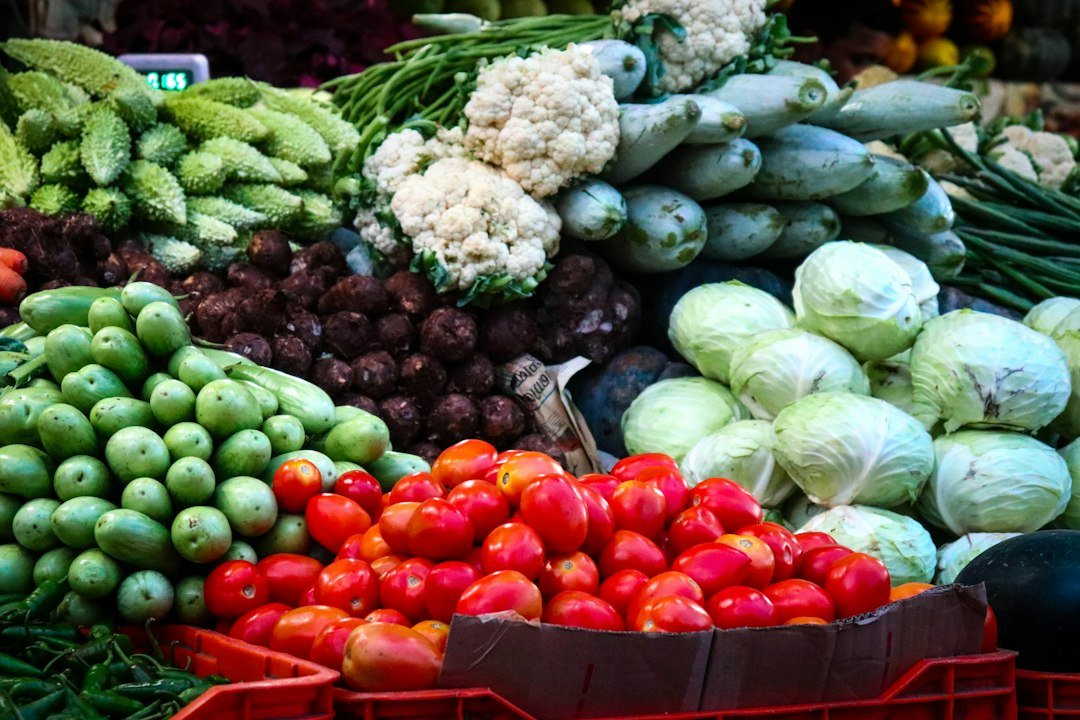
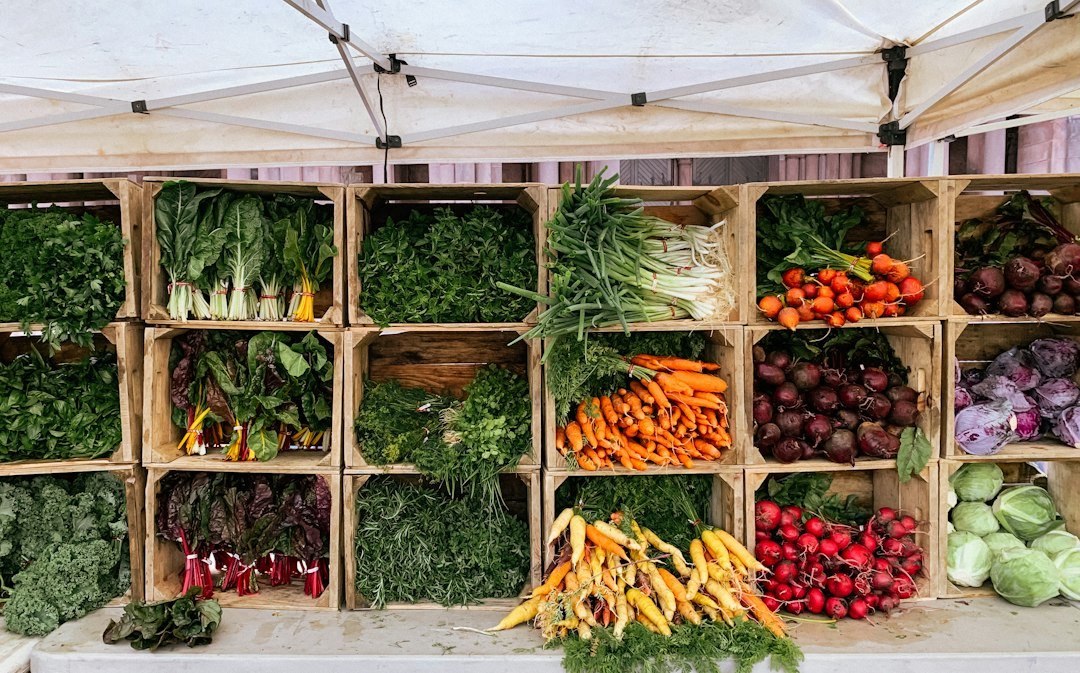
Cover stock photograph: mk. s / Unsplash. Photography illustrates ingredients and serving ideas; it does not depict Athenas products or facilities.
From an idea to an enquiry
Put your reading on the menu.
Explore the range, save the products you would like to discuss and tell us what your business needs.
Prepare your enquiry