A small café can create an appealing menu without carrying an excessive number of ingredients. The challenge is to share purchasing intelligently while keeping the dishes and drinks distinct. Reusing one ingredient across several recipes is helpful only when those recipes fit customer demand and the café’s equipment and staffing.
This guide offers a practical way to design that balance. Begin with the menu’s purpose, map the ingredients and then test the production workload. The result should make ordering easier and give the team a clearer daily routine, rather than simply reducing the number of lines on a stock sheet.
Define the café’s main service occasions
Identify what customers come for: breakfast, a quick lunch, afternoon drinks, desserts or another clear occasion. A menu that tries to cover every possible visit can create more complexity than a small operation can execute consistently.
Use observed demand where it exists. For a new concept, mark assumptions as provisional and choose a manageable launch range. A product that looks attractive in a menu mockup still needs a realistic reason for customers to order it.
Map ingredients across proposed items
Create a simple matrix showing which ingredients appear in each recipe. Look for useful overlap and isolated products that would be purchased for only one low-demand item. Do not remove every unique ingredient automatically; decide whether it makes a strong enough contribution to justify its stock and preparation requirements.
Keep product forms distinct. Mango used in one preparation may not automatically suit another, and a vegetable specified for a filling may differ from a visible side. Confirm intended use and preparation information for the actual supplied products before combining them into one purchasing line.
Make shared ingredients produce different experiences
A fruit ingredient can support a drink and a dessert, while a vegetable may appear in a savoury item and a side. The recipes should differ in more than their names. Consider flavour, texture, portion and service occasion so that the menu feels deliberate rather than repetitive.
Avoid using potential future recipes to justify current stock. Only count demand from items you actually plan to sell. If a special is removed, update the ingredient forecast immediately rather than leaving the old purchasing quantity in place.
| Ingredient line | Planned application | Decision to check |
|---|---|---|
| Mango product | Approved drink or dessert | Intended use and recipe fit |
| Strawberry product | Distinct dessert or drink | Portion and preparation requirements |
| Spinach | Savoury filling concept | Complete finished-item trial |
| Potato product | Side or snack | Equipment and service fit |
| Shared garnish | Specific approved dishes | Small measured portion |
Test the bottleneck, not only the recipes
Prepare a representative group of orders with the equipment and staff available during normal service. Watch where work accumulates: blending, heating, assembly, washing or packing. A menu of individually simple items can still overwhelm one workstation.
Record the combinations that create delays. You may need to simplify a recipe, change the order sequence or reduce overlapping items. Buying an additional ingredient will not solve an equipment bottleneck that the menu itself creates.
Cost complete servings
Include all ingredients, garnish and relevant packaging. Use approved recipe quantities and measured output. A café drink or snack should not be costed from its headline ingredient while smaller components are ignored.
Keep different serving sizes and channels separate where they have different requirements. A delivery item may need packaging that a dine-in serving does not. Compare the actual products customers receive on a consistent financial basis.
Fit packs to realistic demand
Ask suppliers for current pack and carton formats, then calculate how many days or weeks of expected use each order represents. Check storage capacity and product instructions. A low unit price is less useful if the café cannot reasonably use the required quantity.
Consider a hypothetical ingredient used in only ten portions each week. Even if three menu descriptions mention it, its true demand may remain low. The ingredient matrix should be combined with sales quantities, not treated as proof of fast stock movement.
Launch with a short review cycle
Track sales, preparation difficulty, portion checks and remaining stock. Identify which items attract repeat demand and which create disproportionate work. Keep the evidence specific enough to guide a change rather than relying only on whether staff personally like a dish.
When removing an item, review every ingredient it used. Some stock lines may still serve other recipes, while others no longer need a recurring order. Menu changes and purchasing changes should happen together.
Keep product claims accurate
Confirm ingredient, allergen and intended-use information for the actual products and complete recipes. Do not make dietary or freshness claims based solely on a category name. For frozen fruit, verify preparation requirements before approving an uncooked application.
Use photographs or illustrations that represent the intended serving honestly. If a visual is illustrative, label it appropriately in editorial content. The customer-facing menu should reflect what the café can deliver consistently.
Questions small café owners ask
Is the smallest possible ingredient list always best?
No. The list should support a clear, appealing menu. A distinctive item may justify a unique ingredient if its demand and operating requirements make sense.
How many shared uses should an ingredient have?
There is no fixed rule. One high-demand use can be more valuable than several low-demand uses. Forecast quantities as well as counting recipes.
What should we ask a supplier?
Provide the shortlisted products, expected quantities, delivery location and the product-form or preparation questions that affect your recipes.
Build a focused café supply shortlist
Explore mango, strawberry and spinach. Ask Athenas Foods for current wholesale details and choose products that fit your tested menu and realistic demand.
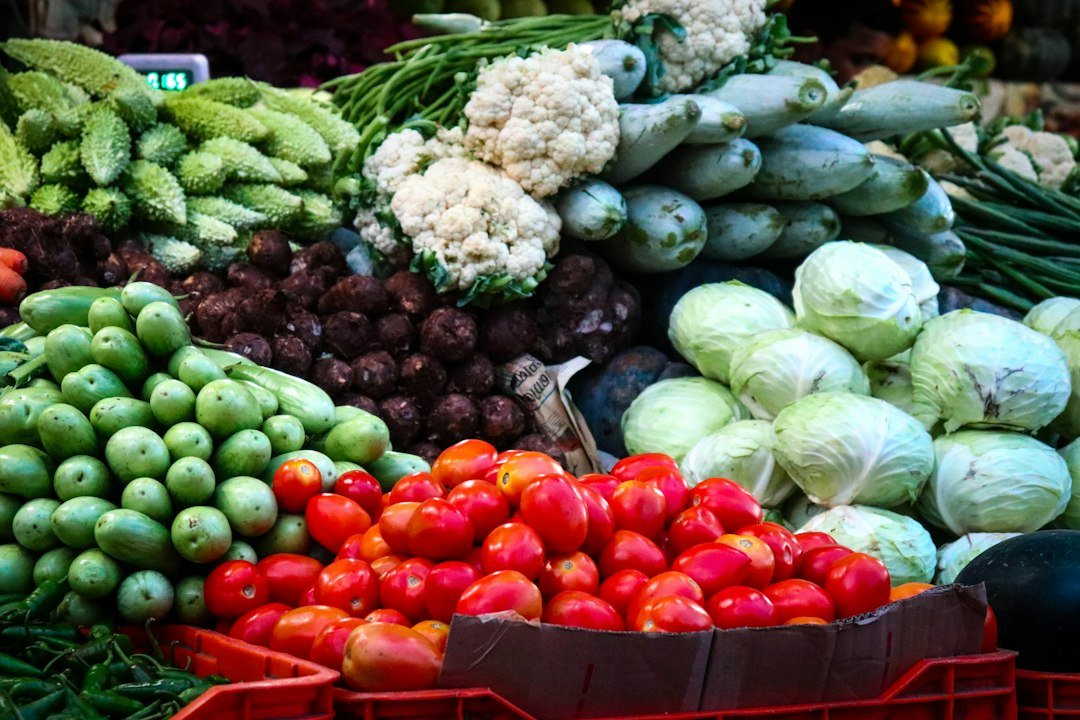
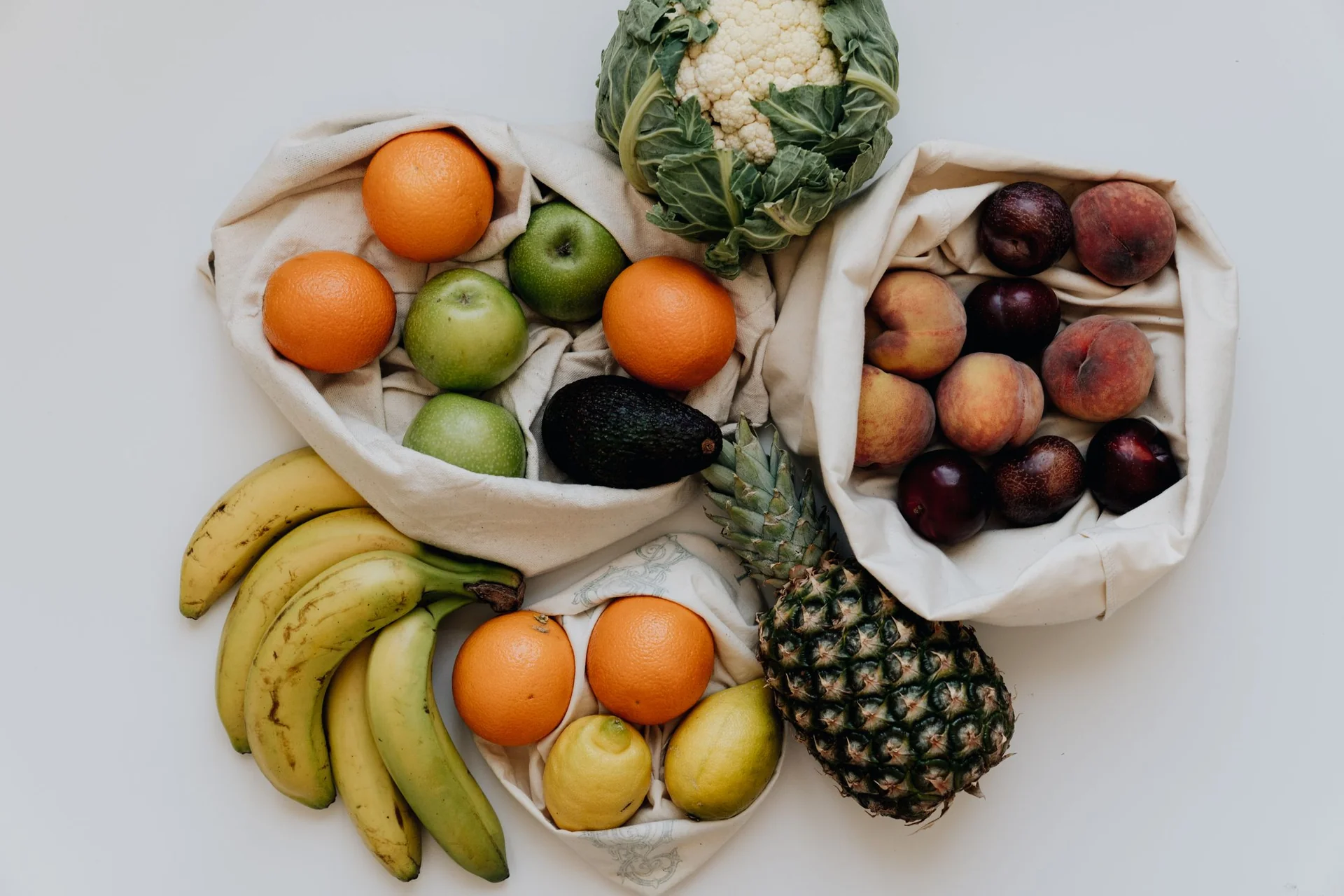
Cover stock photograph: Heidi Walley / Unsplash. Photography illustrates ingredients and serving ideas; it does not depict Athenas products or facilities.
From an idea to an enquiry
Put your reading on the menu.
Explore the range, save the products you would like to discuss and tell us what your business needs.
Prepare your enquiry