A central kitchen can standardise recipes, yet inconsistency may still appear when ingredients, batch records and branch instructions do not align. One site may receive a different portion basis, another may interpret a product name differently, and purchasing may be working from an outdated forecast.
The solution begins with clear handovers. Define the supplied ingredient, the production stage, the quantity sent and the responsibility at the receiving branch. This guide focuses on the purchasing and information structure; your operation’s validated food-safety and transport procedures govern how food is prepared, moved and used.
Create one ingredient identity
Use a standard product name and internal reference across procurement, stores, recipes and branch requests. Include the supplier’s exact item and the current approved specification. Similar names should not create duplicate stock lines or allow untested substitutes to enter production unnoticed.
Record which recipes use the ingredient and where alternatives are permitted. An approved substitute for a blended preparation may not suit a visible side. Application-specific approval prevents a central purchasing decision from changing several dishes unintentionally.
Define the production boundary
State what the central kitchen supplies to each branch: an ingredient, a prepared component or another clearly defined stage. The branch must know what work remains and which approved instructions apply. An ambiguous handover can produce duplicated preparation or omitted steps.
Keep quantities tied to that stage. A kilogram of purchased input is not necessarily equivalent to a kilogram of prepared output. The receiving branch’s portion calculation must use the correct basis, supported by measured production records.
Use batch records that explain output
Record product inputs, the approved recipe version and accepted output. Include the traceability and process information required by the operation’s procedures. The record should help the team understand a variance rather than simply prove that a form was completed.
If output differs from the expected range defined by your operation, investigate equipment loading, preparation changes, weighing and product specification. Do not automatically correct the variance by adding more ingredient to the next batch without identifying the cause.
| Information | Central kitchen responsibility | Branch responsibility |
|---|---|---|
| Product identity | Approved item and recipe version | Match receipt to the record |
| Quantity basis | Define the supplied production stage | Use the correct portion conversion |
| Traceability | Preserve required batch information | Maintain the link during use |
| Instructions | Provide approved next-step process | Follow and report exceptions |
| Demand feedback | Reconcile production with requests | Report actual use and remaining stock |
Forecast from branch demand
Collect branch requirements using consistent units and deadlines. Separate confirmed event demand from ordinary sales forecasts. If branches use different portion standards, either standardise them or document the approved difference before combining quantities.
Avoid simply adding a buffer to every branch request and another buffer at the central kitchen. Layered allowances can inflate production without anyone seeing the total. Keep each uncertainty visible and decide where it should be managed.
Plan product packs around production batches
Confirm supplier pack and carton configurations, then compare them with the central kitchen’s normal batch quantities. A large format may suit production while being unsuitable for direct branch use. That distinction should be explicit in the purchasing plan.
Check usable storage and receiving capacity before consolidating orders. Centralisation can concentrate inventory as well as purchasing power. The operation needs a rotation and location system that keeps stock visible rather than hiding surplus behind bulk deliveries.
Control specification changes centrally
When a supplier product changes, identify every affected recipe and branch. Repeat the relevant trials and update the approved records before rolling out the change. A small variation at the ingredient level can become a system-wide inconsistency when many sites rely on the same component.
Communicate the effective date clearly and distinguish old from new stock according to your procedures. Branch staff should not be expected to infer the change from a carton or discover it through guest feedback.
Reconcile demand, production and use
Compare branch forecasts with dispatched quantities and actual reported use. Investigate recurring overrequests, portion differences and unrecorded transfers. The purpose is to improve the system, not to assume that every variance is a branch failure.
Use a small set of meaningful measures: forecast error, accepted output, branch stock balance and exceptions requiring action. A dashboard with many unmaintained fields can obscure the few decisions that actually improve purchasing.
Review the supplier relationship with evidence
Share clear specification and delivery requirements with the supplier, including the central receiving destination and normal volume pattern. Use documented product observations when discussing performance. This helps separate supply issues from internal production or forecasting problems.
Confirm current availability and commercial terms before planning a major increase. A central kitchen’s demand can change quickly when a new branch opens, but the supplier needs a precise requirement and an agreed timeline rather than an informal expectation of immediate scale.
Questions for central purchasing teams
Should all branches request kilograms?
Use a consistent unit, but define the production stage it represents. Kilograms alone are ambiguous if some teams mean purchased input and others mean prepared output.
Can each branch approve substitutes independently?
Set a clear approval policy. Uncoordinated substitutions can undermine recipe consistency and product information across the operation.
What should be sent with a wholesale enquiry?
Provide exact products, batch or weekly demand, delivery destination, pack requirements and the specifications needed for central production.
Build a central-kitchen supply brief
Review mixed vegetables and the wider Athenas Foods range. Request current specifications and commercial details and connect the confirmed products to your approved recipes and branch handover records.
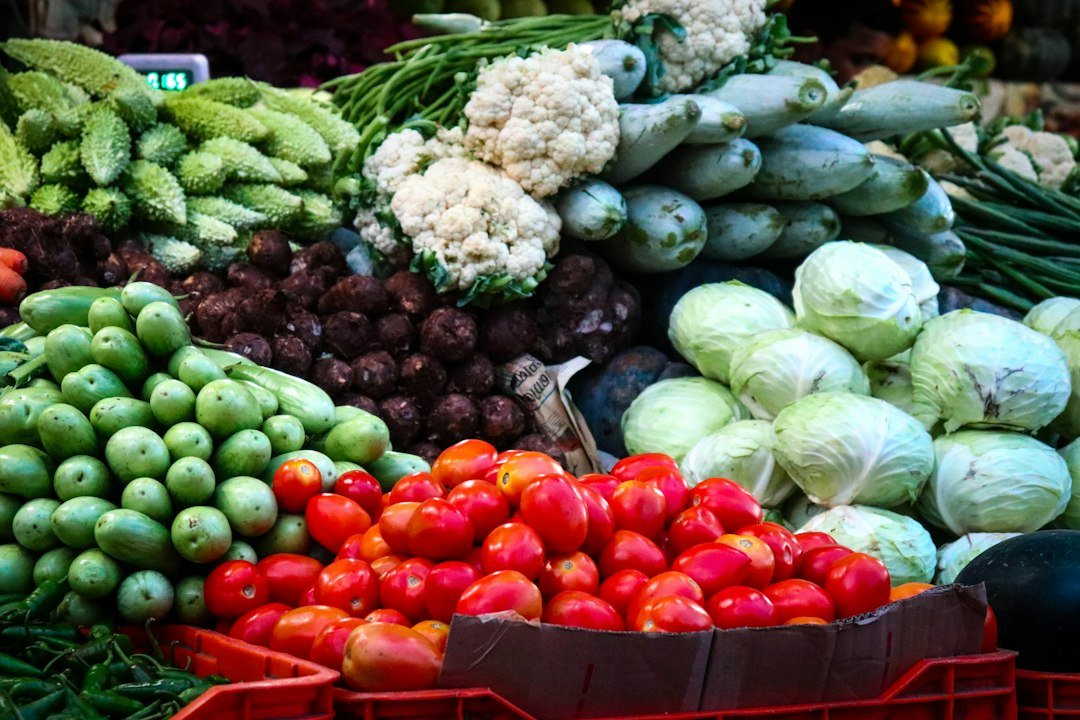
Cover stock photograph: Pylyp Sukhenko / Unsplash. Photography illustrates ingredients and serving ideas; it does not depict Athenas products or facilities.
From an idea to an enquiry
Put your reading on the menu.
Explore the range, save the products you would like to discuss and tell us what your business needs.
Prepare your enquiry