Cauliflower can appear as a simple side, a roasted vegetable feature or part of a blended preparation. Those uses do not require identical purchasing decisions. A chef developing a visible cauliflower dish may prioritise piece presentation, while a kitchen using it in soup may focus on recipe consistency and finished output.
The strongest buying brief describes the application before naming a preferred product. This helps a supplier answer the questions that matter and prevents purchasing from comparing products that only share a broad ingredient name. It also gives the kitchen a clear standard for approving the first delivery.
Choose the application before the format
List the dishes that will use cauliflower and identify which one drives most of the demand. For each, note whether pieces remain visible, whether the ingredient is blended, and how the finished portion is assembled. Avoid assuming that a product suited to one use will automatically work in all three.
If you are developing a new menu item, trial the dish before forecasting a large order. A promising recipe idea still needs equipment capacity, staff time and realistic sales expectations. Buying substantial stock before the recipe is stable can force the kitchen into a concept that does not fit service.
Ask about piece form and preparation
Request the current product specification, pack configuration and preparation directions. Where size or form is important, ask what the quoted product actually provides. Do not describe a supplier’s item as a particular grade unless that description is confirmed.
Consider whether the recipe requires a distinct format that is not currently listed. Ask the supplier rather than assuming availability. A purchasing enquiry can identify a requirement without promising the kitchen that it has already been sourced.
Run two different tests when uses differ
For a plated or roasted application, assess appearance, texture and the ability to portion consistently. For a blended preparation, evaluate the complete recipe’s flavour and consistency. Keep those records separate so that a successful soup trial does not become an accidental approval for a visible side.
Use the preparation method appropriate to the product and your approved kitchen procedures. Record equipment loading and batch size. If performance changes as the batch grows, the team needs to understand that before moving the dish into a high-volume service.
| Menu role | Main trial focus | Purchasing note |
|---|---|---|
| Visible side | Piece presentation and portion assembly | Ask about supplied form |
| Roasted feature | Finished texture and equipment capacity | Trial a normal production batch |
| Soup or purée | Complete recipe consistency | Cost the full recipe |
| Mixed vegetable dish | Balance with other components | Set the cauliflower proportion |
Cost the complete recipe
Cauliflower may be only one part of a dish that includes sauce, seasoning, coating or garnish. Compare the complete ingredient requirement where those additions differ between concepts. A low vegetable cost does not prove that the final dish meets your target economics.
Separate recipe cost from production waste. If the kitchen prepares more portions than guests order, reducing the ingredient purchase price may not solve the larger problem. Review batch timing and demand alongside the supplier comparison.
Keep the menu description accurate
Describe the finished dish in terms the guest can understand and the kitchen can consistently deliver. Do not make dietary, allergen or production claims solely because cauliflower is the main ingredient. Other ingredients and preparation conditions also matter, and the operation must verify any claims it uses.
For a vegetarian concept, consider whether the dish is complete and satisfying as a meal rather than merely a side enlarged on a plate. Test portion balance, accompaniment and service workload. The purchasing quantity should follow the final approved recipe.
Plan useful cross-utilisation
Two or three genuinely distinct applications can help a kitchen use one ingredient efficiently. For example, a plated side and an independently planned soup may share purchasing while retaining different recipes. The key is to forecast each use and avoid assuming that leftovers will always find a destination.
Keep any secondary use within the kitchen’s approved food-handling procedures. Cross-utilisation is a menu-planning decision, not a reason to improvise with food whose condition or history is uncertain.
Review after the first service cycle
Ask the team what slowed production, what guests ordered and what remained unused. Compare these observations with the original trial. A product may be suitable while the portion standard or menu placement needs adjustment.
Update the purchase description only after the chef approves the change. If you switch to a different form or supplier specification, repeat the parts of the trial that could be affected. Keeping a short record prevents gradual changes from producing a dish that no longer matches the menu.
Buyer questions
Can one cauliflower product cover several dishes?
It may, but each materially different application needs approval. The same ingredient can behave differently in a visible side and a blended recipe.
Should we order before the recipe is finished?
Keep early purchases proportionate to the trial. Confirm the recipe, usable output and expected demand before committing to a larger recurring order.
What information helps a supplier respond?
Share the intended dishes, quantities, delivery location and the piece-form questions that matter. Ask for current pack and preparation details.
Turn the concept into a purchasing enquiry
Review Eden Gardens cauliflower and other vegetables in the catalogue. Contact Athenas Foods with your application and volume estimate, then validate the product through your own recipe trial.
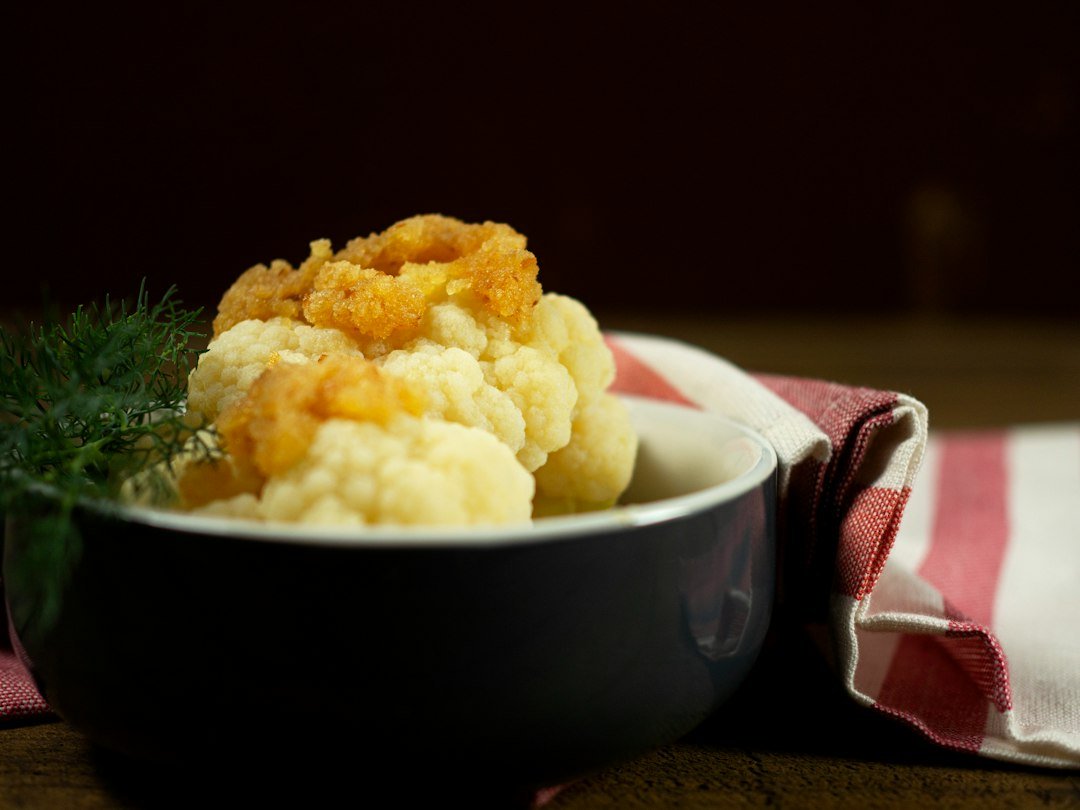
Cover stock photograph: Mateusz Feliksik / Unsplash. Photography illustrates ingredients and serving ideas; it does not depict Athenas products or facilities.
From an idea to an enquiry
Put your reading on the menu.
Explore the range, save the products you would like to discuss and tell us what your business needs.
Prepare your enquiry