Green beans can give a catering plate a clear vegetable component without making the menu complicated. The purchasing challenge is consistency: the team needs enough suitable product, a repeatable portion and a process that fits the event’s service rhythm. A case price alone does not answer those questions.
For caterers serving plated meals or buffet selections in Egypt, the best approach is to connect the ingredient brief with the event plan. Define the dish, approve the preparation and calculate demand from the portion standard. Then ask the supplier for the current specification and commercial arrangement.
Decide how the beans will be served
A plated side requires a different assembly plan from a mixed buffet dish. In a plated meal, the arrangement and relationship to the other components matter. In a buffet, the kitchen also needs a replenishment plan aligned with guest flow and its approved service procedures.
Write a reference portion before placing a large order. Include the finished quantity and any sauce or garnish. If the team portions by utensil during service, check that the utensil produces an acceptable result and does not vary substantially between operators.
Confirm the form you are purchasing
Ask for the current product description and any relevant form or size information. Do not assume that all green-bean products arrive in the same presentation. If a specific form is essential to the dish, make it a condition of the enquiry and confirm it before approval.
Record pack configuration and preparation instructions. The receiving team should know how the delivered item connects to the trialled specification. An alternative offered during a shortage should be assessed rather than accepted solely because it is also called green beans.
Trial a realistic quantity
Small recipe tests are useful for flavour development, but an event kitchen also needs to understand production volume. Run a representative batch using the equipment and process you plan to use. Record loading, acceptable output, finishing work and plating effort.
If the result changes when the batch grows, identify why. Equipment capacity, draining, sequencing or portion assembly may be responsible. A measured trial gives you a basis for adjusting the process instead of adding an unexplained purchasing allowance.
| Decision | Record before ordering | Check after the trial |
|---|---|---|
| Service format | Plated or buffet | Actual assembly and replenishment needs |
| Portion | Finished quantity and garnish | Consistency across operators |
| Product | Required form and specification | Fit with the intended presentation |
| Volume | Confirmed guests and planning assumptions | Purchased input needed |
| Delivery | Destination and receiving arrangement | Written supplier confirmation |
Calculate demand without hiding assumptions
Multiply the confirmed portion requirement by the planned number of servings, then convert it to purchased input using the trial’s output information. Keep any allowance separate and state why it exists. Extra servings, production variation and uncertain guest numbers are different assumptions.
For a hypothetical 200-plate event with a 75-gram finished green-bean component, the planned finished quantity is 15 kilograms. That is not automatically the purchase quantity. Use your measured conversion and confirmed pack configuration to produce the order, then check the rounding against storage and expected use.
Design the service sequence
The ingredient must fit the kitchen’s complete production plan. Identify where preparation, finishing and plating occur and which role owns each step. Do not schedule several high-volume components through the same constrained workstation without testing the timing.
For buffet service, plan smaller replenishment decisions around actual consumption while following approved food-safety controls. The objective is an attractive, well-managed service, not an oversized initial display that creates unnecessary unsold output.
Make leftovers a forecast issue
After the event, compare planned portions, actual guests, production and remaining stock. Separate unopened inventory from prepared food and handle each according to your procedures. The purchasing lesson depends on which category created the variance.
If guest numbers were lower, revise the forecasting conversation. If portions were larger than planned, revisit the serving standard. If the product required more input than the trial suggested, investigate the preparation conditions and specification. Each cause has a different corrective action.
Questions caterers ask
Can we use the same green beans for plated and buffet service?
Potentially, but test both applications. Their presentation, portioning and service sequences may create different requirements even when the ingredient is the same.
How much extra should we order?
There is no universal allowance appropriate to every event. Base the decision on confirmed guests, measured output, pack rounding and a documented planning assumption.
When should we confirm availability?
Confirm it during quotation and again according to the supplier’s order process before committing the event’s final purchasing plan. Do not assume an enquiry reserves stock.
Prepare an event-specific enquiry
Review Eden Gardens green beans and the Athenas Foods range. Send your event requirement with quantities, destination and timing, and ask the team to confirm the current specification, packs and delivery arrangement.
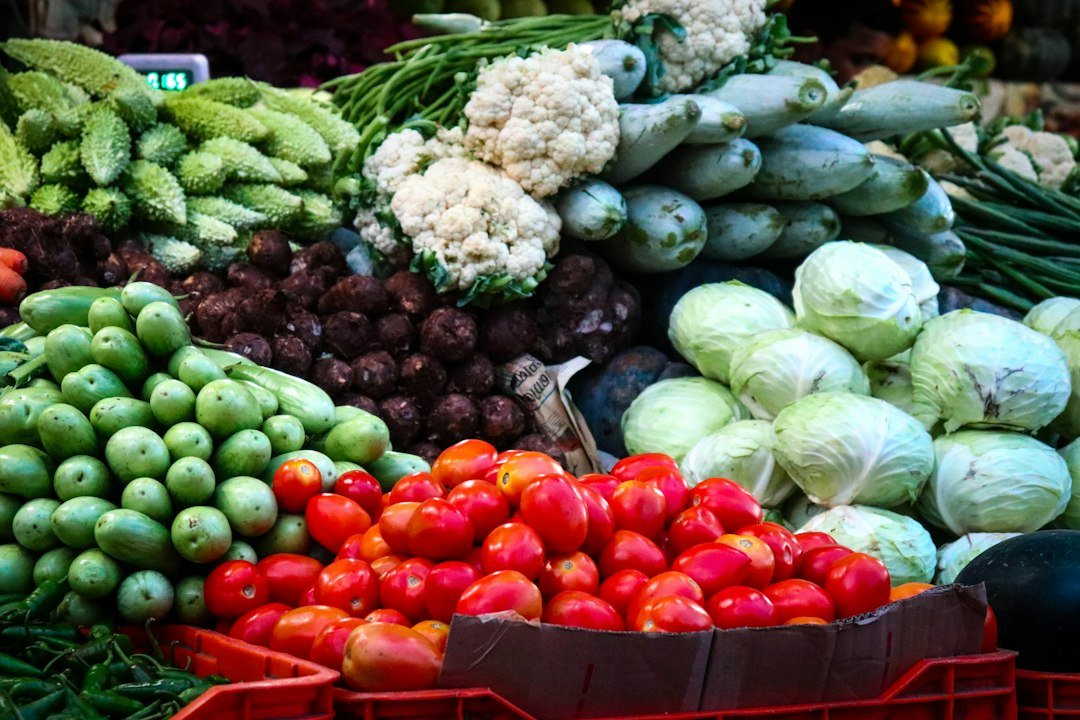
Cover stock photograph: Bob Bowie / Unsplash. Photography illustrates ingredients and serving ideas; it does not depict Athenas products or facilities.
From an idea to an enquiry
Put your reading on the menu.
Explore the range, save the products you would like to discuss and tell us what your business needs.
Prepare your enquiry