Mango Mint Green Tea gives a café or hotel drinks menu a specific flavour direction built around mango. An iced-tea option for guests seeking a less thick drink than a mango smoothie. This guide sets out a two-serving development recipe, the details that affect its presentation, and a practical way to turn a promising idea into a repeatable menu item.
The relevant Athenas catalogue ingredients are Eden Gardens mango. Other ingredients listed below are additions to the recipe, not a claim that Athenas supplies them. Treat the quantities as a starting formulation for your kitchen trial, not a laboratory-tested recipe or a guaranteed finished yield.
Prepare the fruit base first
Use edible fruit bases prepared according to the actual product label and your kitchen’s food-safety procedure. Do not assume frozen fruit is ready to eat. Complete any required cooking and controlled cooling before making a cold drink; remove stones and unsuitable parts. The weights below refer to the prepared usable base. Keep drinks under your approved service and holding procedure, rather than assigning an untested shelf life.
Mango supplies the body of the blend. Compare thickness and sweetness between trial lots before changing the water quantity.
Starting recipe for two servings
- 180 g mango base
- 260 ml brewed and chilled green tea
- 10 ml lime juice
- 2 small washed mint leaves
- 0–15 ml syrup
Measure the finished batch and split it evenly into two suitable glasses. Add ice separately during the trial and record its weight. Where syrup is optional, start without it; if used, keep the same syrup concentration so the recorded millilitres mean the same thing each time.
How to make the drink
Brew green tea following its supplier instructions and cool using the kitchen procedure. Blend mango with a little tea, stir in the rest and lime, then briefly infuse the mint. Taste and remove the leaves before pouring if a clean finish is preferred.
Avoid prolonged blending of mint and strong tea. Either can overwhelm the mango and leave a bitter finish, so keep brewing and herb treatment standardised.

Make the presentation work during service
Green tea and mint both need restraint. Make a plain mango-tea version first, then add the herb to a separate sample so the team can tell which element causes bitterness or grassy flavour. A small mint tip can be enough for aroma at the rim. Do not use a large muddled bunch simply because it looks abundant in a photograph.
A useful variation to trial
Omit mint for a simpler base that can be shared with other mango drinks, adding the herb only to each ordered serving.
Change one variable at a time and keep the original sample for comparison. Record the fruit ratio, liquid quantity, sweetness adjustment and glass used. That makes it possible to decide whether the variation is genuinely more suitable for your menu, rather than simply different because several ingredients changed together.
Cost the usable portion
Use the cost of prepared fruit, including any loss from pitting, straining or required preparation. Add the measured liquid, syrup, garnish and takeaway packaging, then divide by the number of complete servings actually produced. Keep preparation labour visible as a separate operating consideration. The smoothie cost-per-cup worksheet can help organise that comparison; local prices and your actual yield determine the result.
Plan a focused fruit enquiry
For a trial of mango mint green tea, ask about the current mango product format, pack size, preparation instructions and availability. Explain whether you need a smooth blended base, a strained drink or a presentation-led serving. Sharing the intended use helps the supplier respond to a practical brief instead of guessing from a fruit name alone.
Explore Eden Gardens mango, compare the recipe with Pomegranate Rose Lemonade for Elegant Event Menus, or send Athenas Foods your fruit enquiry with expected serving numbers and delivery location. Confirm current commercial details directly before adding a permanent menu item.
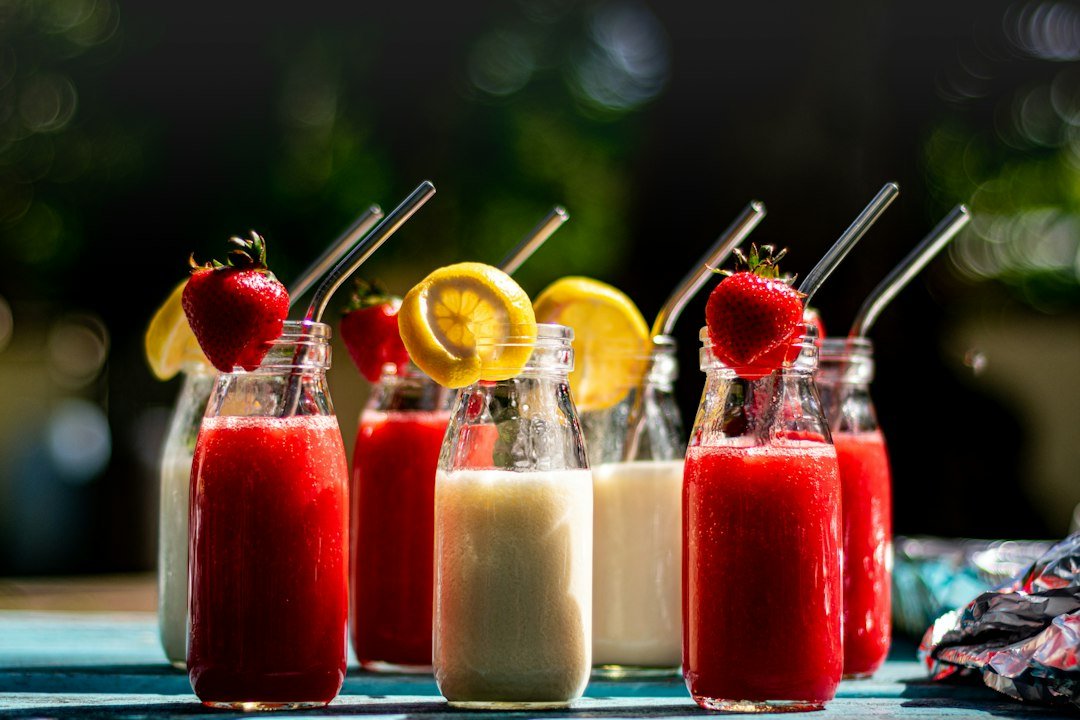
Cover stock photograph: Fujiphilm / Unsplash. Photography illustrates ingredients and serving ideas; it does not depict Athenas products or facilities.
From an idea to an enquiry
Put your reading on the menu.
Explore the range, save the products you would like to discuss and tell us what your business needs.
Prepare your enquiry