Begin with the dish you want to serve
Molokhia, okra and artichoke can lead to very different menu ideas, so begin with the finished dish rather than a general vegetable list. Decide whether each ingredient will anchor a main dish, accompany another component or appear in an occasional special. Write a short description of the intended presentation. This helps purchasing and kitchen teams discuss the same result before comparing product options.
Define the molokhia you have in mind
For molokhia, describe the recipe style your kitchen plans to prepare and the product form it expects to use. Ask for the stated product description and preparation guidance rather than assuming every pack is equivalent. Agree on the finished consistency and presentation your team is aiming for, then use those criteria when reviewing a sample, if one can be arranged.
Give okra a clear role
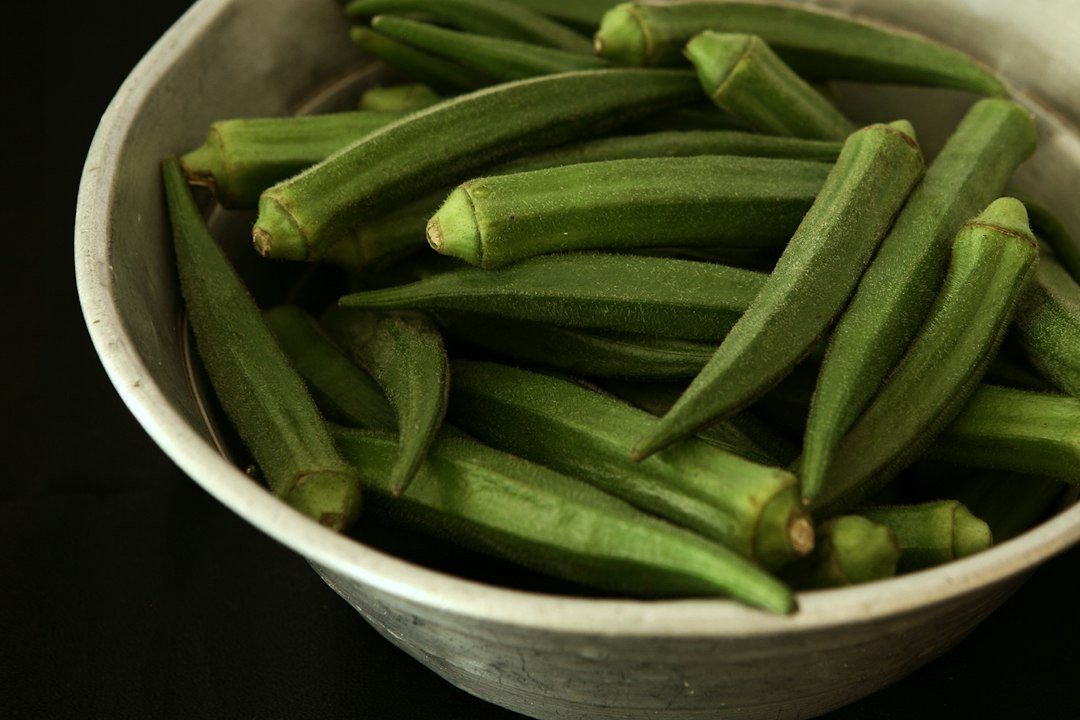
An okra dish needs a brief that explains how the ingredient will appear on the plate. State whether the recipe calls for a particular size or form, and ask the supplier to confirm the specification of the proposed product. Record any preferences about appearance separately from essential requirements. A trial in your own recipe will give the team a shared basis for discussing texture and presentation.
Specify the artichoke format
With artichoke, the product form is an important part of the menu discussion. Describe what the recipe needs rather than using the ingredient name alone. Ask which formats can be quoted and check the product information before planning portions. If a proposed alternative changes the appearance or preparation steps, discuss it with the kitchen before treating it as a substitute.
Build variety around your actual workflow
Review the three dishes together. Note where they share other ingredients, equipment or preparation tasks, and where they require separate attention. This is a planning exercise, not a reason to force every dish into the same method. Follow the instructions for each product and your established kitchen procedures. Ask the team whether the proposed range fits the menu and the way service is organised.
Turn the menu plan into an enquiry
For each ingredient, collect the preferred form, intended dish, approximate quantity and packaging questions. Keep regular menu needs separate from tentative specials. If samples are available, record the exact product reference beside the trial notes. Use the resulting brief to request product details and a quotation, while leaving availability, commercial terms and any delivery arrangements to be confirmed with the supplier.
Cover stock photograph: Neha Deshmukh / Unsplash. Photography illustrates ingredients and serving ideas; it does not depict Athenas products or facilities.
From an idea to an enquiry
Put your reading on the menu.
Explore the range, save the products you would like to discuss and tell us what your business needs.
Prepare your enquiry