A restaurant brand can use the same menu across several branches while serving noticeably different portions or ingredients. The cause is often an information gap: purchasing descriptions, recipe versions and local substitutions have drifted apart. Customers experience the difference even when every branch believes it is following the standard.
Consistency begins with a manageable specification system. It should identify the exact product, the approved application and the way changes are authorised. The goal is not to remove every local operational decision, but to protect the parts of the guest experience that the brand intends to keep consistent.
Create an approved product register
List the critical ingredients with the supplier’s exact item name, current specification reference and approved menu uses. Include pack configuration where it affects ordering or branch handling. Avoid broad descriptions such as standard fries that leave room for several untested interpretations.
Keep the register practical. Begin with high-volume products and ingredients that strongly influence presentation or recipe information. A smaller accurate register is more useful than a large document that nobody updates when products change.
Connect products to recipe versions
Each branch should know which recipe version uses the approved product and what portion standard applies. If a product change affects preparation or output, revise the recipe record as well as the purchasing line. Otherwise, the branch receives a new item while following instructions built for the old one.
Use dated reference photographs for presentation, supported by quantities and preparation instructions. An image alone cannot define the whole recipe, but it can help staff recognise the intended result when paired with a clear written standard.
Test across representative branches
A product trial at headquarters may not reveal differences in equipment, staffing or service format. Choose representative branches for validation, especially when the operation includes dine-in, delivery and high-volume sites. Follow the appropriate product instructions at each site.
Record the conditions rather than expecting identical equipment to be available everywhere. If a branch needs a documented process adjustment to produce the approved result, make it visible. Unwritten local workarounds are difficult to train and review.
| Control | Shared standard | Local record |
|---|---|---|
| Product | Exact approved item | Delivery and stock identity |
| Recipe | Current quantities and method | Equipment-specific approved notes |
| Portion | Defined measurement basis | Routine checks |
| Substitution | Authorised alternatives and approver | Exception and decision |
| Feedback | Common reporting format | Observed issue and evidence |
Define substitution authority
Set out who can approve an alternative and what information is required. The decision may involve the chef, purchasing and the person responsible for product or menu information. A shortage should not create an informal branch-by-branch replacement policy.
Where possible, trial important alternatives before they are needed. Record the applications for which they are acceptable and any recipe changes. An alternative approved for one dish should not automatically replace the original product throughout the menu.
Keep pack differences visible
Branches may have different demand or storage capacity, but different packs should still be tied to a confirmed product specification. Check whether a proposed pack change is merely a quantity change or also a different item. Receiving teams need enough detail to distinguish those situations.
Calculate branch order quantities from the approved portion and local forecast. Do not assume equal sales or stock cover across all locations. Standardisation of product does not require pretending that every branch has the same demand pattern.
Compare actual usage fairly
Use a consistent measurement basis when comparing branches. A site with more delivery orders or a different approved portion mix may legitimately use more of an ingredient per transaction. Adjust the comparison for those known differences before labelling a branch inefficient.
Investigate variance by cause: portioning, production waste, recipe changes, stock counting or unrecorded transfers. A league table without this context can encourage defensive reporting instead of useful operational improvement.
Manage changes with a clear effective date
When a new product or recipe is approved, communicate when it applies and how remaining stock is handled under your procedures. Update purchasing, training and menu information where needed. Branches should not receive conflicting instructions from different departments.
After rollout, collect focused feedback and check the intended result. A change is complete when the branches can execute it consistently, not merely when a new specification file has been uploaded to a shared folder.
Review supplier performance at the right level
Separate a supplier-wide issue from a branch receiving or preparation issue. Use the exact product, delivery reference and observed condition in reports. This gives purchasing a credible basis for discussion and avoids escalating vague complaints that cannot be investigated.
Share realistic volume and delivery requirements when negotiating supply. A multi-branch enquiry should identify destinations and expected demand rather than treating a combined total as proof that one delivery arrangement fits every site. Confirm the commercial response for the actual network.
Common questions
Should every branch have identical stock levels?
No. Product and recipe standards can be shared while order quantities reflect local demand, storage and confirmed replenishment arrangements.
Can a cheaper local substitute be accepted?
Only through the operation’s approval process. Compare the complete recipe and guest experience, not price alone.
What should a network enquiry include?
Provide exact products, expected volumes by destination, delivery requirements and the specifications that must remain consistent.
Prepare a clearer multi-site enquiry
Review Pommes Frites French Fries and the Athenas Foods product range. Contact Athenas Foods with your branch requirements and confirm the product and delivery arrangements before standardising supply.
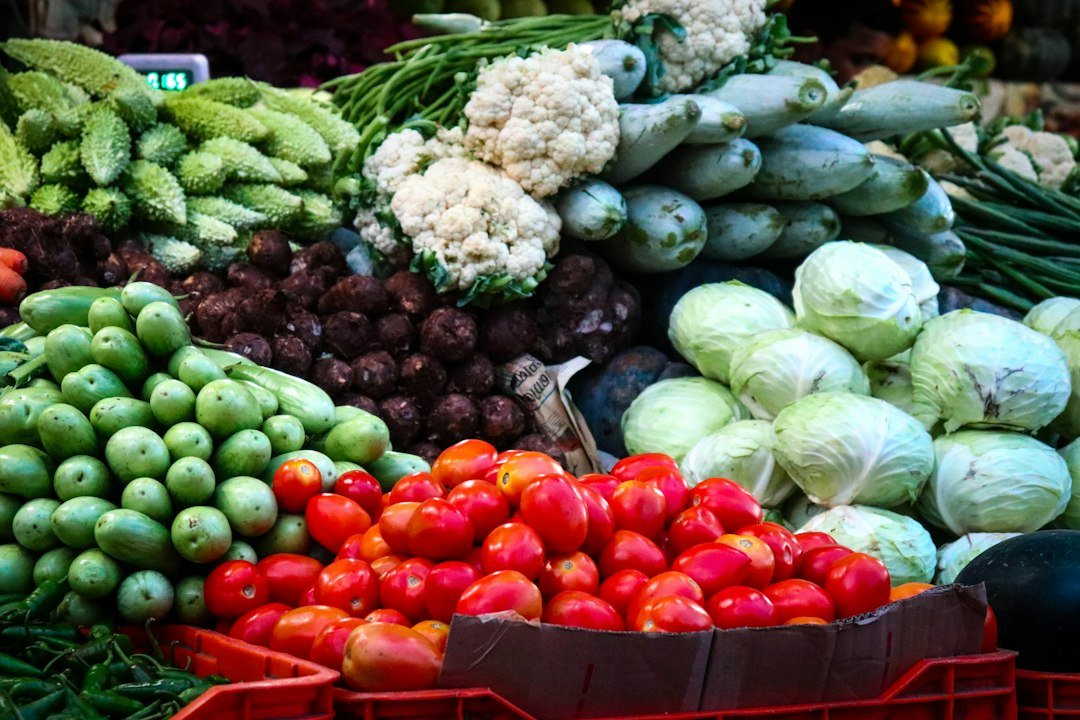
Cover stock photograph: Jesson Mata / Unsplash. Photography illustrates ingredients and serving ideas; it does not depict Athenas products or facilities.
From an idea to an enquiry
Put your reading on the menu.
Explore the range, save the products you would like to discuss and tell us what your business needs.
Prepare your enquiry