Ramadan catering can bring concentrated service periods, changing guest numbers and menus with several coordinated components. Purchasing needs to reflect that operational pattern rather than simply increasing ordinary weekly orders. The strongest plan links the menu, production capacity and confirmed supply arrangements before demand peaks.
This guide is a planning framework, not a prediction of market demand or a promise of seasonal availability. Use your own bookings and service history, confirm dates and quantities with clients, and obtain current supplier responses for the exact products and destinations involved.
Establish the menu before the volume forecast
Identify the dishes that will be offered and the service format for each booking. A fixed meal package, a buffet and an individually ordered menu create different ingredient demand. Record the approved recipes and portions before multiplying by guest numbers.
Keep traditional or familiar dish names connected to exact product specifications. Molokhia, okra, vegetables and potato products may each require a separate preparation and purchasing brief. Familiarity should not replace a trial when the supplied product or production scale changes.
Build a staged planning timeline
Start with menu development and supplier information, then move to trials, provisional quantities and final order confirmation. The actual timing should follow your business and supplier arrangements. Do not copy a generic deadline and assume it guarantees availability.
Assign an owner for each stage. The event coordinator may confirm guest numbers, the chef approves recipes, and purchasing confirms the commercial order. A shared timeline helps prevent an unconfirmed client request from being treated as a secured ingredient delivery.
Forecast from bookings and service evidence
Separate confirmed events, likely demand and speculative opportunities. Each category should carry a different level of commitment. A promising enquiry is not the same as a booked event, and a booked event may still have quantities awaiting final confirmation.
Use comparable past services where available, while recording meaningful differences in menu or format. Do not assume that one successful buffet provides a direct consumption factor for every Ramadan service. Keep the forecast specific to the operation.
| Stage | Required decision | Output |
|---|---|---|
| Menu development | Recipes and service formats | Approved ingredient shortlist |
| Product confirmation | Current specifications and packs | Supplier information record |
| Kitchen trial | Output and production capacity | Purchasing conversion and workflow |
| Booking review | Confirmed and provisional quantities | Current demand forecast |
| Order confirmation | Products, destination and timing | Agreed commercial order |
Check production capacity as well as stock
Several dishes may need the same equipment or finishing station near the same service time. Run a representative production plan to identify the bottleneck. Buying enough ingredients does not guarantee that the kitchen can prepare and serve the menu consistently.
Simplify where necessary and keep all preparation and service within approved food-safety procedures. A busy seasonal period is a reason for clearer controls, not for stretching them. The purchasing plan should support the tested process.
Confirm supply requirements precisely
Send suppliers exact products, quantities, destinations and required timing. Ask about current pack configurations, availability and the process for changes. Do not assume that a product listed in a catalogue is reserved for your event or that normal arrangements automatically apply to a peak period.
Keep the latest supplier confirmation with the event record. If quantities change, obtain an updated response rather than relying on an informal message. Receiving staff should know which version is the confirmed order.
Plan alternatives in advance
Identify critical ingredients and approve suitable alternatives through the chef and event process. Consider whether a substitution changes the dish description or requires client communication. The decision should be made deliberately rather than improvised when the kitchen is already preparing service.
Confirm the alternative’s current availability and specification with the supplier. Culinary approval and commercial availability are separate requirements. A list of possible replacements is useful only when the team knows which can actually be ordered.
Avoid carrying the peak forecast forward blindly
Review stock and demand throughout the period. Some bookings may increase while others change or cancel under their commercial arrangements. Update purchasing against the current evidence and distinguish committed stock from new requirements.
Plan the transition after the peak period. Ingredients purchased for a special menu need a realistic remaining-use plan within product instructions and your procedures. Do not let a temporary order pattern continue simply because it became familiar to the team.
Record the lessons for the next season
Compare forecast, purchases, production and actual service. Identify whether variances came from bookings, portions, recipe output or supplier changes. Retain the context so the next planning cycle improves rather than merely repeats last year’s quantities.
The most useful seasonal record is concise and actionable: which dishes created demand, where production was constrained, what stock remained and which supplier questions should have been asked earlier. Use that evidence to refine both menu and purchasing.
Prepare your seasonal product enquiry
Review Frozen Molokhia, Okra Extra and the Athenas Foods catalogue. Send your Ramadan catering requirements with current quantities and delivery details, and confirm the commercial arrangement before finalising supply-dependent commitments.
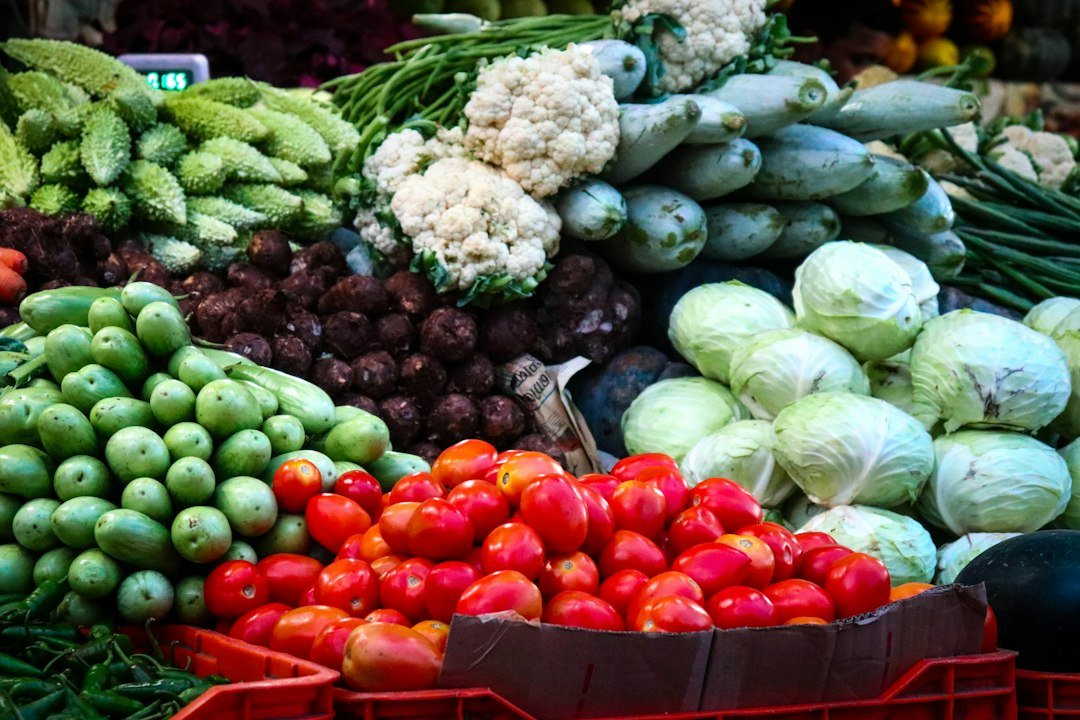
Cover stock photograph: Randy Fath / Unsplash. Photography illustrates ingredients and serving ideas; it does not depict Athenas products or facilities.
From an idea to an enquiry
Put your reading on the menu.
Explore the range, save the products you would like to discuss and tell us what your business needs.
Prepare your enquiry