A supplier sample can taste excellent in a quiet kitchen and still fail to suit a busy service. The difference may be equipment capacity, batch size, holding practice or the way the food is served. A useful trial therefore recreates the decisions your team actually makes during the working day.
For Egyptian restaurants and hotel kitchens, a structured trial helps the chef, buyer and operations manager reach the same conclusion. It also makes supplier feedback more precise. Instead of saying that a product was disappointing, you can explain which requirement was missed and under what conditions.
Write the acceptance criteria first
Before requesting samples, define the intended application and what acceptable performance means. For broccoli in a plated main course, floret presentation may matter more than it does in a blended preparation. For fries, evaluate the final eating experience along the actual route to the customer. Do not transfer one dish’s priorities to every product.
Use a short set of criteria that the team can observe: suitability for the recipe, consistency of pieces, acceptable finished output, preparation steps, and performance at the intended service point. Safety, ingredient and allergen requirements should be checked against product information and your approved kitchen procedures rather than judged by tasting.
Make the samples comparable
Confirm the exact product name and specification represented by each sample. Note whether the quotation refers to the same pack, grade and form. If the sample differs from normal commercial supply, record the difference before testing. Otherwise, the kitchen may approve a product that purchasing cannot actually order on the same basis.
Ask whether samples are available, whether there is a charge, and how they will reach the kitchen. Do not assume a supplier provides a free trial. Arrange receiving and storage through your normal controlled process so that the product arrives at the trial in suitable condition.
Control the variables that affect the result
Use comparable equipment, batch size and preparation instructions. Record any legitimate differences required by the product. Forcing every item through an identical method when instructions differ can create a misleading result; the fair comparison is between properly prepared alternatives that meet the same dish requirement.
Weigh the starting quantity and acceptable output at clearly defined stages. Record preparation time and the number of operator interventions. A product that needs an extra draining or sorting step may still be appropriate, but the team should understand the operational consequence before approving it.
| Observation | Record this detail | Why it matters |
|---|---|---|
| Product identity | Exact name, form and sample reference | Links the trial to the quote |
| Recipe conditions | Equipment, batch and method | Makes the trial repeatable |
| Output | Acceptable finished weight and portions | Supports costing |
| Service assessment | Appearance and eating quality at handover | Tests the real application |
| Exceptions | Breakage, extra steps or inconsistencies | Identifies follow-up questions |
Include the people who use the result
The chef can assess culinary suitability, the buyer can check the commercial comparison, and the service team can report what happens between kitchen and guest. A delivery-led restaurant may also need packaging feedback. Give each person a specific question rather than inviting an unstructured vote.
If practical, use neutral sample labels during the initial assessment. This can reduce the influence of a familiar brand or a quoted price. Reveal the commercial information before making the purchasing decision, because performance and cost still need to be considered together.
Test a normal service constraint
A small demonstration batch cannot show every operational issue. After a product passes the initial screen, test a representative quantity under an approved service process. Watch where the work accumulates: freezer picking, portioning, equipment loading, draining, finishing or plating. Record the constraint rather than attributing every delay to the ingredient.
For example, a kitchen considering broccoli for banquet plates might discover that final portion assembly is the bottleneck, even though cooking performance is acceptable. The solution could be a revised plating arrangement rather than a different vegetable specification. The trial should reveal decisions, not merely produce scores.
Decide what happens after approval
Create an approved-product record with the intended applications, specification, trial date and any conditions. If a product is approved for soup but not plated garnish, say so. A general approval with no context invites later confusion when another team uses the item differently.
Keep the first commercial delivery under review. Check that the ordered product corresponds with the approved sample and record any exceptions through the supplier’s agreed contact. A trial is the beginning of a documented purchasing decision, not a guarantee that future orders require no checks.
Questions about sample testing
How many products should we trial at once?
Choose a number the kitchen can record properly. A focused comparison of two or three critical items often produces a clearer decision than an unmeasured tasting of an entire range.
Should price be hidden throughout the trial?
It can be separated from the first sensory assessment, but the final decision must include cost, usable output and operational requirements. Blind tasting alone is not a purchasing model.
What if the result is inconclusive?
Identify the variable that prevented a decision and repeat only the relevant part. Do not average together trials conducted under incompatible conditions and present the result as certainty.
Build your next trial around a specific dish
Review Eden Gardens broccoli and other Athenas Foods products, then send a product enquiry describing the dishes you want to test. Ask the team to confirm current specifications, sample arrangements if available, and the commercial quantities associated with the quotation.
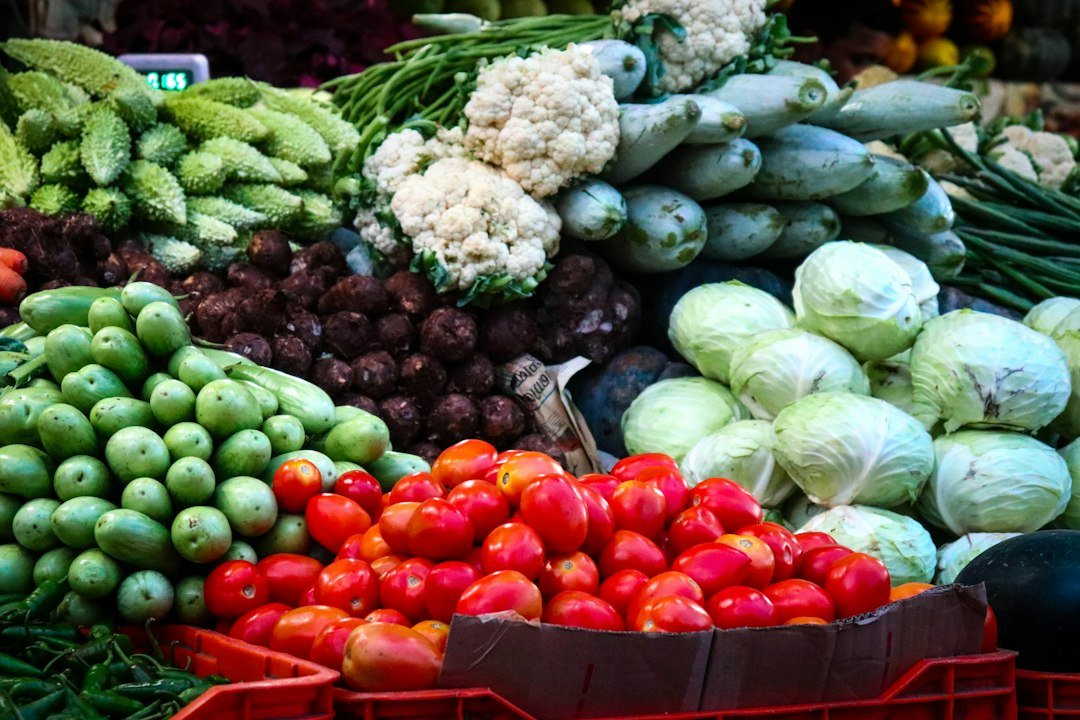
Cover stock photograph: Johnathan Macedo / Unsplash. Photography illustrates ingredients and serving ideas; it does not depict Athenas products or facilities.
From an idea to an enquiry
Put your reading on the menu.
Explore the range, save the products you would like to discuss and tell us what your business needs.
Prepare your enquiry