A summer drinks menu can create enthusiasm before it creates dependable sales data. Attractive mango and strawberry concepts may look promising, but purchasing still needs to know how many servings the café expects, which recipes share ingredients and what stock can be stored and used appropriately.
The useful approach is a rolling plan: begin with a measured recipe and a realistic launch assumption, then update the forecast from actual sales. This guide does not claim that every café experiences the same seasonal uplift. Use your location, opening hours, customer pattern and service channels to build the estimate.
Separate ordinary demand from promotional demand
Create a baseline from recent comparable service periods where possible. Then identify any planned promotion, menu launch or event that may change demand. Keep the additional quantity separate so that it can be removed when the activity ends.
If the concept is new, state that the starting forecast is an assumption. A small trial period with a defined review point is more useful than a precise-looking number built from optimism. Avoid treating social-media interest as equivalent to confirmed orders.
Build the forecast from approved recipes
Record the fruit quantity for each drink or dessert at a defined preparation stage. Include every serving size separately where the recipe differs. Multiply those quantities by expected sales and combine demand for products genuinely shared across recipes.
Confirm each fruit product’s intended use and preparation instructions. Frozen fruit should not automatically be treated as ready to use in an uncooked recipe. The approved process must be established before the purchasing forecast becomes a production plan.
Use a weekly view with daily detail
A weekly total helps purchasing, while daily and service-period detail helps the kitchen. A café may see different patterns at breakfast, afternoon and evening, or between dine-in and delivery. Keep those differences where they materially affect preparation and stock.
For a hypothetical week, 40 mango drinks on a quiet day and 90 on a busy day create a different operating pattern from a flat average of 65. The same weekly total can require different production and replenishment decisions. Use the schedule your operation actually expects.
| Input | Record | Review action |
|---|---|---|
| Base sales | Comparable ordinary demand | Update from current trading |
| Promotion | Separate expected uplift | Remove when the activity ends |
| Recipe quantities | Fruit per approved serving | Revise after recipe changes |
| Existing stock | Usable quantities and confirmed receipts | Deduct before ordering |
| Supplier arrangement | Packs, availability and delivery | Reconfirm material changes |
Check capacity before increasing the order
Review freezer space, equipment and staff workload. More fruit stock does not automatically create more drink capacity if blending, preparation or packing is the bottleneck. Run a representative peak-order trial to identify the constraint.
Confirm the supplier’s pack and carton configuration before rounding quantities. Keep any surplus visible and assess whether it fits realistic later demand. A temporary promotion should not leave the café with a long-term inventory problem.
Keep the menu focused during the launch
Start with a manageable set of distinct products rather than many near-identical fruit combinations. Each variation adds recipe training, forecasting and stock decisions. The café can expand after it understands which items customers choose and which the team can execute consistently.
Use shared ingredients where the recipes have a clear purpose. A mango drink and a different mango dessert can support combined demand, but do not count imagined future applications as a reason to buy more now.
Track the signals that change purchasing
Review servings sold, ingredient withdrawals, portion checks and remaining stock. Separate recipe variation from genuine demand growth. If the café uses more fruit because staff increase portions, a larger sales forecast is the wrong explanation.
Look for repeated patterns across comparable days. A single busy afternoon may not justify a permanent order increase. Equally, several consistent stockouts may show that the baseline needs revision or that the confirmed replenishment arrangement no longer fits the business.
Confirm supplier changes early
When demand materially increases, provide an updated product and quantity brief to the supplier. Ask about current availability, packs and delivery arrangements for your destination. Do not assume that an earlier quotation automatically covers a larger or more frequent order.
Keep the current confirmation accessible to receiving and stores. If a substitute product is proposed, check its specification and recipe suitability before accepting it. A seasonal rush is not a reason to abandon the product approval process.
Plan the end of the promotion or season
Reduce provisional demand when the activity ends and review remaining stock against realistic menu use. Avoid carrying the peak order into quieter trading simply because it has become the standing quantity. Keep the recipe and storage requirements in view when planning any remaining use.
Retain a short record of what happened: strongest items, forecast errors, production constraints and supplier questions. The next seasonal launch can reuse the evidence without assuming that every year or location will behave identically.
Questions café managers ask
Should we buy heavily before promoting a new drink?
Commit according to a realistic forecast, confirmed supply terms and available capacity. Separate a trial launch from proven recurring demand.
Can one weekly average guide production?
It may help purchasing totals, but daily and service-period patterns can matter to preparation. Keep the detail that changes the operational decision.
What should go into a fruit enquiry?
List exact products, expected quantities, destination and timing, plus intended-use and pack questions. Identify any temporary promotional requirement.
Build your summer fruit shortlist
Review mango, strawberry and other Athenas Foods products. Request current wholesale details and connect the confirmed products to your tested recipes and rolling forecast.
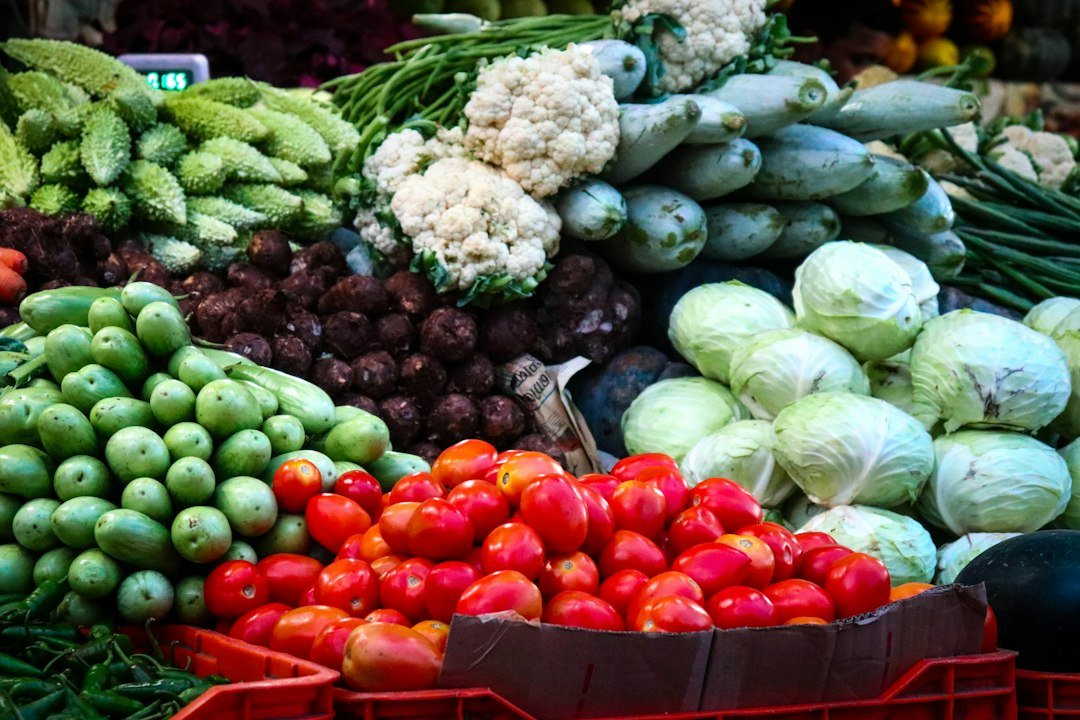
Cover stock photograph: Boba Jaglicic / Unsplash. Photography illustrates ingredients and serving ideas; it does not depict Athenas products or facilities.
From an idea to an enquiry
Put your reading on the menu.
Explore the range, save the products you would like to discuss and tell us what your business needs.
Prepare your enquiry