A wedding menu needs to feel generous and varied, but adding more side dishes does not automatically improve the guest experience. Each additional option creates another forecast, stock line and production task. If several dishes serve the same purpose, the kitchen may divide demand across them while increasing leftovers.
A better plan gives every side a clear role and connects the menu to the service format. The approach differs between a plated meal, buffet and shared presentation. Define that format first, then build the quantities from approved recipes and realistic guest-selection assumptions.
Give each side a distinct role
Map the menu by function: a starch component, a vegetable accompaniment, a contrasting flavour or another deliberate element. Look for unnecessary overlap. Several similar mixed sides can create complexity without offering a meaningful choice.
Discuss the menu with the client in terms of the complete meal rather than the number of trays. A balanced selection should complement the main dishes and the service style. Keep the agreed descriptions accurate and avoid promises the kitchen has not tested at event volume.
Separate confirmed requirements from estimates
Record the guest count, meal allocations and any relevant special requirements. For a choice-based service, estimate selection using the caterer’s own evidence from comparable events. Do not assume every guest consumes a full portion of every side.
Keep uncertain inputs visible and identify when they will be confirmed. A late change in attendance should update the forecast, but it also needs a supply check. The event team should not treat an altered client number as an automatic change to a confirmed supplier order.
Choose recipes that fit the production capacity
Review equipment, staff and plating or replenishment workload across the whole menu. Two dishes that look simple individually may compete for the same constrained resource. A representative production test can reveal the conflict before the event day.
Use ingredients across dishes only where the recipes remain distinct and demand is real. Shared purchasing can help, but repeating the same mixture with different names may disappoint guests and confuse production quantities.
| Side dish | Role in the meal | Demand basis |
|---|---|---|
| Rice or other starch | Main accompaniment | Service format and expected selection |
| Green vegetable | Colour and vegetable component | Approved portion and guest allocation |
| Mixed preparation | Distinct flavour or texture | Evidence from comparable service |
| Specialty side | Event-specific interest | Conservative launch or confirmed choice |
Translate the menu into ingredient quantities
Use the approved portion or batch recipe and measured acceptable output. Convert the finished requirement into purchased input, then round to the supplier’s confirmed packs. Keep any surplus from case rounding separate from the event’s planned consumption.
For a hypothetical buffet, 250 guests do not automatically require 250 full portions of each of five side dishes. The correct plan depends on selection and portion behaviour within that service. Use your own evidence and approved operating approach rather than a universal buffet multiplier.
Confirm products and delivery early
Ask suppliers about current specifications, availability, pack arrangements and delivery to the event’s receiving location. If the food is prepared at another site, clarify where the supplier delivery belongs. The event venue and production kitchen are not always the same destination.
Provide access information and receiving windows where relevant. Keep the commercial confirmation available to the receiving team. A beautiful menu plan cannot compensate for an unclear delivery instruction or a product substitution nobody approved.
Build a controlled alternative plan
Identify critical ingredients and discuss acceptable alternatives with the chef and event team. An alternative may require a revised menu description or client communication, depending on the arrangement. Decide the approval path before an urgent issue appears.
Do not assume that an alternative listed online is immediately available. Obtain current supplier confirmation and check the recipe implications. The plan should connect culinary suitability with actual supply, not merely list possible replacements.
Manage service and replenishment deliberately
Use the event’s approved production and food-safety procedures to determine preparation and service quantities. Presentation should remain attractive, but an oversized initial display is not the only way to communicate abundance. Vessel choice and replenishment can support both appearance and control.
Assign responsibility for observing consumption and communicating replenishment needs. Without a clear role, the kitchen may continue producing from the original estimate even after the actual pattern becomes obvious. Keep decisions within the operation’s controlled process.
Review the event while details are fresh
Record attendance, production, service observations and remaining stock. Separate unused purchased ingredients from prepared food and manage each according to the relevant procedures. The purchasing lesson depends on which part of the process created the surplus.
Compare the results with similar events. A wedding buffet should not be used as a direct forecasting template for a seated corporate dinner simply because the guest counts match. Retain the service context alongside the numbers.
Questions caterers often ask
Does more variety always mean better value?
No. Distinct, well-executed choices can be more useful than several overlapping sides. Evaluate the complete guest experience and production capacity.
Should all ingredients be ordered at the same time?
Use the confirmed supplier arrangements, storage capacity and event plan. The right timing depends on the actual products and operation.
What belongs in the supplier brief?
List exact products, quantities, destination, receiving requirements and timing. Identify which details are confirmed and which still need a response.
Build the shortlist from the approved menu
Explore mixed vegetables, green beans and the Athenas Foods catalogue. Request current wholesale details before confirming the event’s purchasing plan.
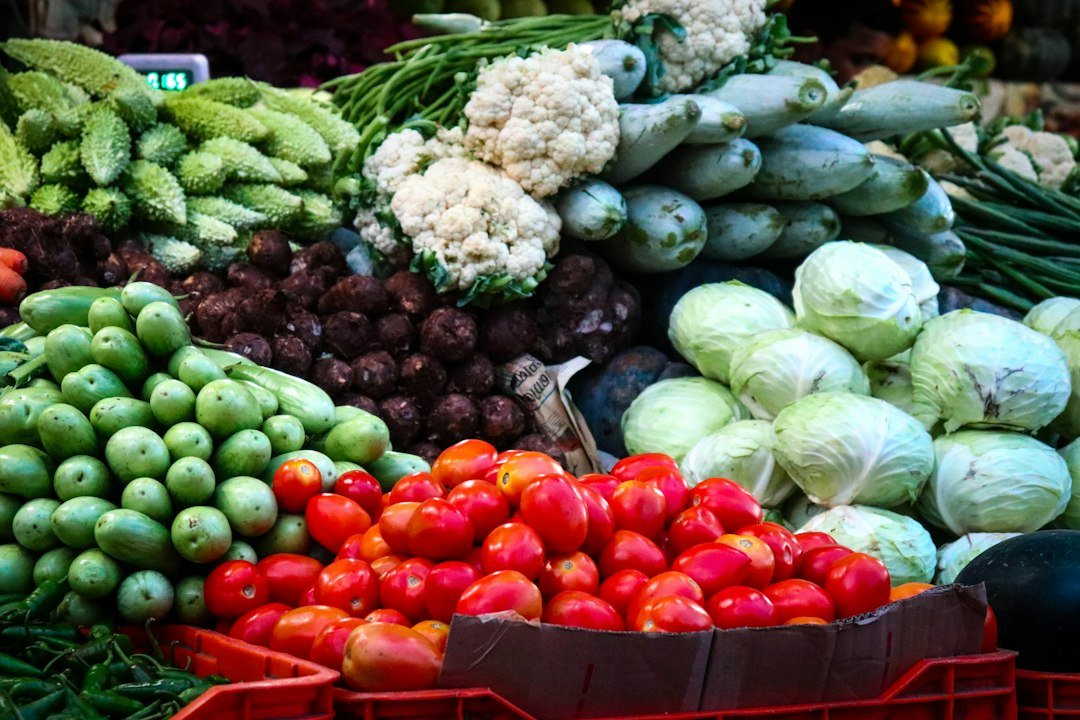
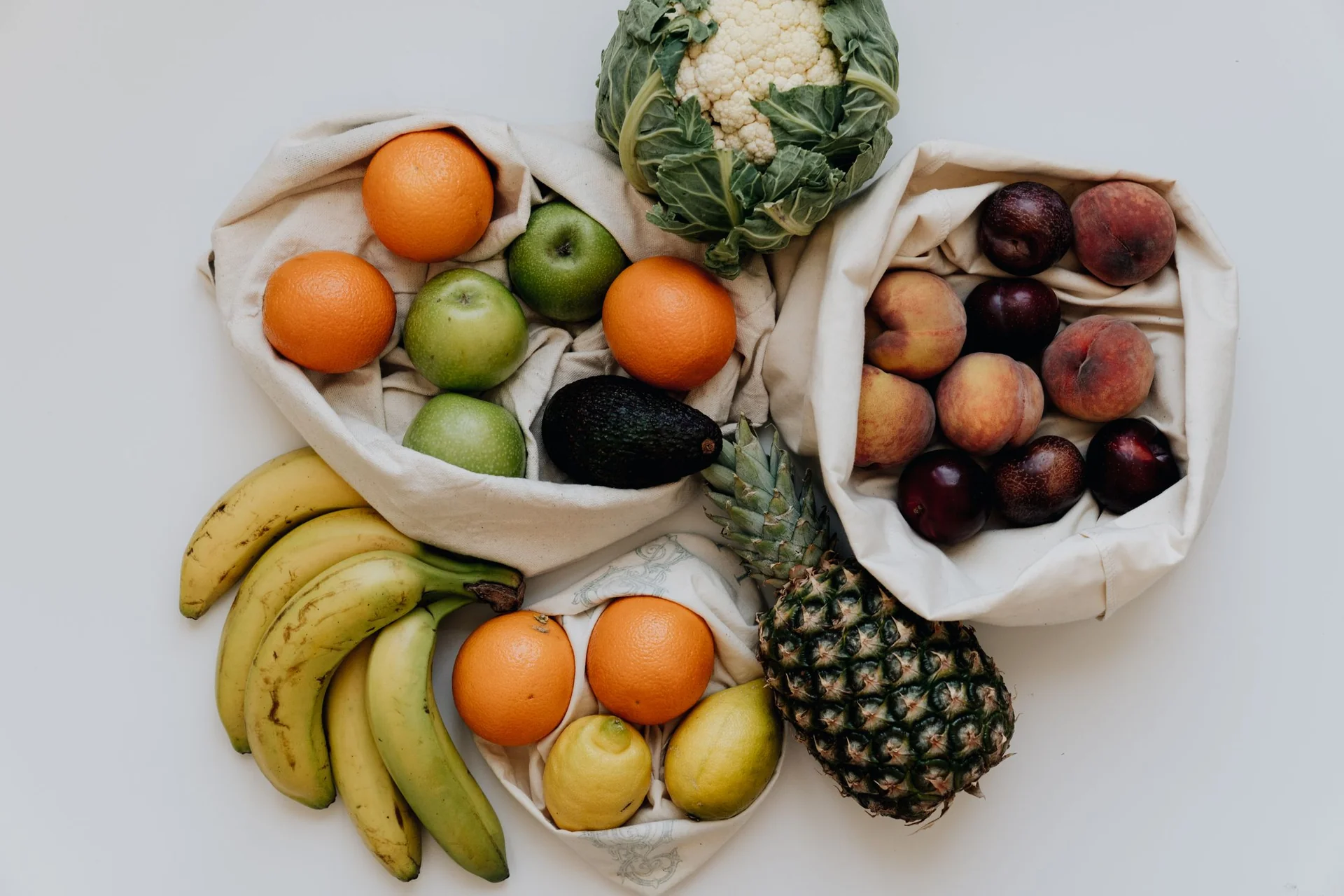
Cover stock photograph: Peter Wendt / Unsplash. Photography illustrates ingredients and serving ideas; it does not depict Athenas products or facilities.
From an idea to an enquiry
Put your reading on the menu.
Explore the range, save the products you would like to discuss and tell us what your business needs.
Prepare your enquiry